

AI
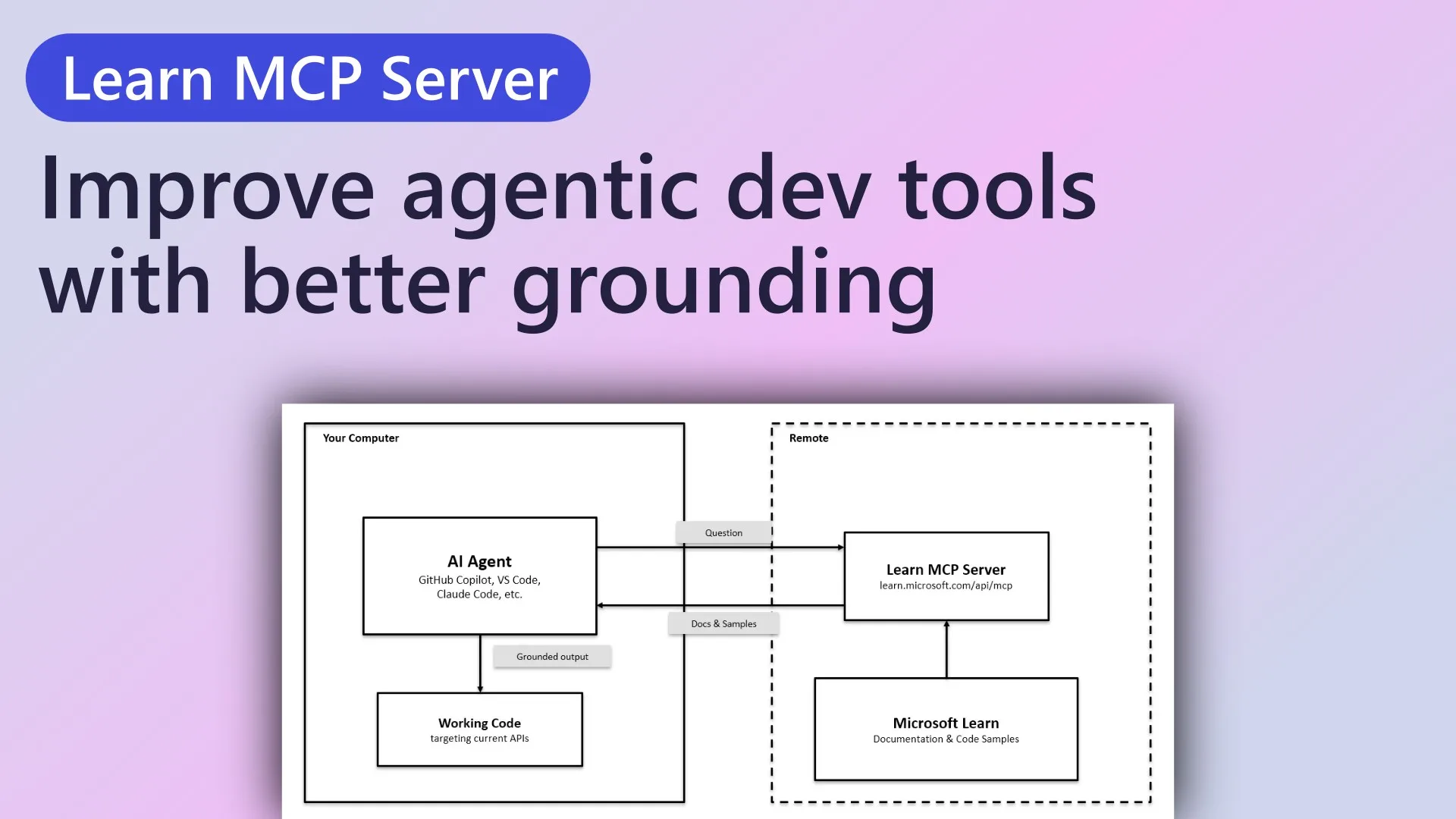
Improve your agentic developer tools by grounding in Microsoft Learn

Development workflows span terminals, IDEs, background agents, and custom assistants. What matters is whether they draw from the same current source. Learn MCP Server gives any MCP-compatible agent direct access to current Microsoft documentation - one endpoint, nothing to install, no authentication required. What does that look like in practice? You give your coding agent the prompt: "create a CLI script to deploy Azure AI Foundry." It reaches for , the Azure ML extension - the right answer a year ago. It hits a Python dependency crash, spends 15 tool calls debugging import paths, and produces a script target...
SQL + AI, hands-on: Join a free workshop near you

If you work with Microsoft SQL regularly, the AI conversation right now probably feels a little exhausting. Every week brings a new platform, a new pattern, a new opinion about how you’re “supposed” to build AI apps. Most of it assumes you’ll start over. You don’t have to. We’re running SQL AI App in a Day workshops with Microsoft partners around the world. They’re free, hands-on, and built for developers who want to add AI to the apps they already own, using the data they already trust. You can browse upcoming sessions and register. Build on Microsoft SQL, not around it The question that keeps coming...
How AI coding agents actually use your technology

You ship an SDK, a CLI, an API, and developers use it. Now AI coding agents use it too, except they use it differently than humans do. Most of the time you have no idea what's actually happening between "developer types a prompt" and "agent generates code with your technology." Is the agent reading your docs? Is it calling your MCP server? Is it ignoring both and guessing from memory? In the previous article, we introduced the AX stack: model, harness, and agent extensions. We talked about what's fixed and what you can influence. This time, let's trace through what actually happens, step by step, when an agent...
Doing More with GitHub Copilot as a .NET Developer

Want to get more out of your GitHub Copilot experience? Here are some easy ways to get started.
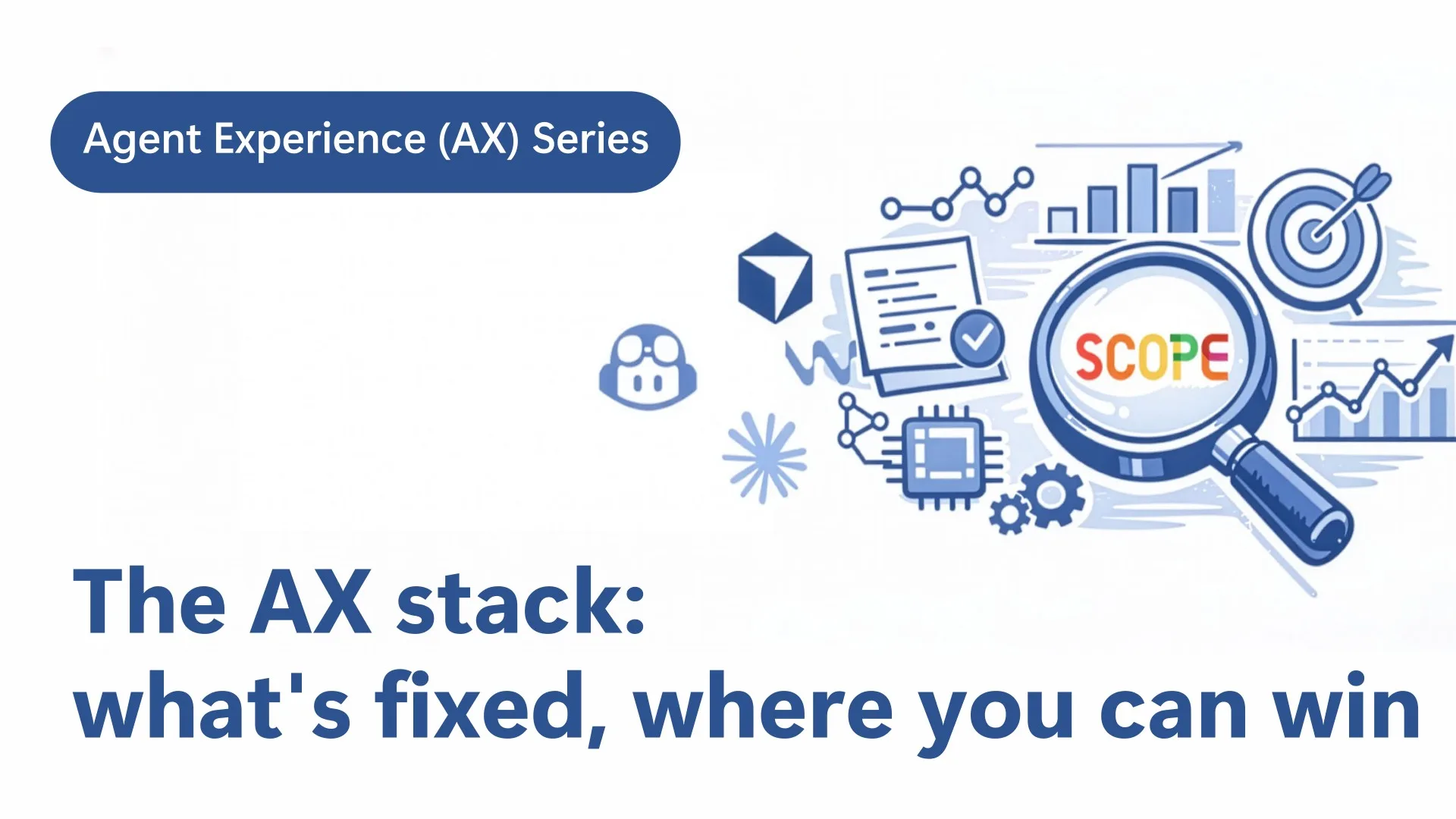
The AX stack: what’s fixed, where you can win
AI coding agents promise to make you more productive. On the surface they do, but in practice they fall short: agents generate code that doesn't compile, use a deprecated SDK, or pick the wrong service entirely. Is it you using it wrong? Is it your tech stack? Or is it the tools you haven't configured yet? The stack between a developer's prompt and the generated code has layers. Some of those layers are fixed: you can't change them no matter what you do. But there's one layer where you have all the leverage. And if you don't know which is which, you'll waste time optimizing the wrong thing without seeing any r...
Announcing Agent Governance Toolkit MCP Extensions for .NET

Announcing a Public Preview .NET package that adds policy enforcement, startup tool scanning, fallback governance, and response sanitization to MCP servers with a single builder extension.
Improving C# Memory Safety

The `unsafe` keyword is being redesigned to mark caller-facing contracts rather than just syntax. Safety obligations between callers and callees become visible and reviewable. The model is motivated by the rise of AI-assisted code generation and arrives as a preview in .NET 11.
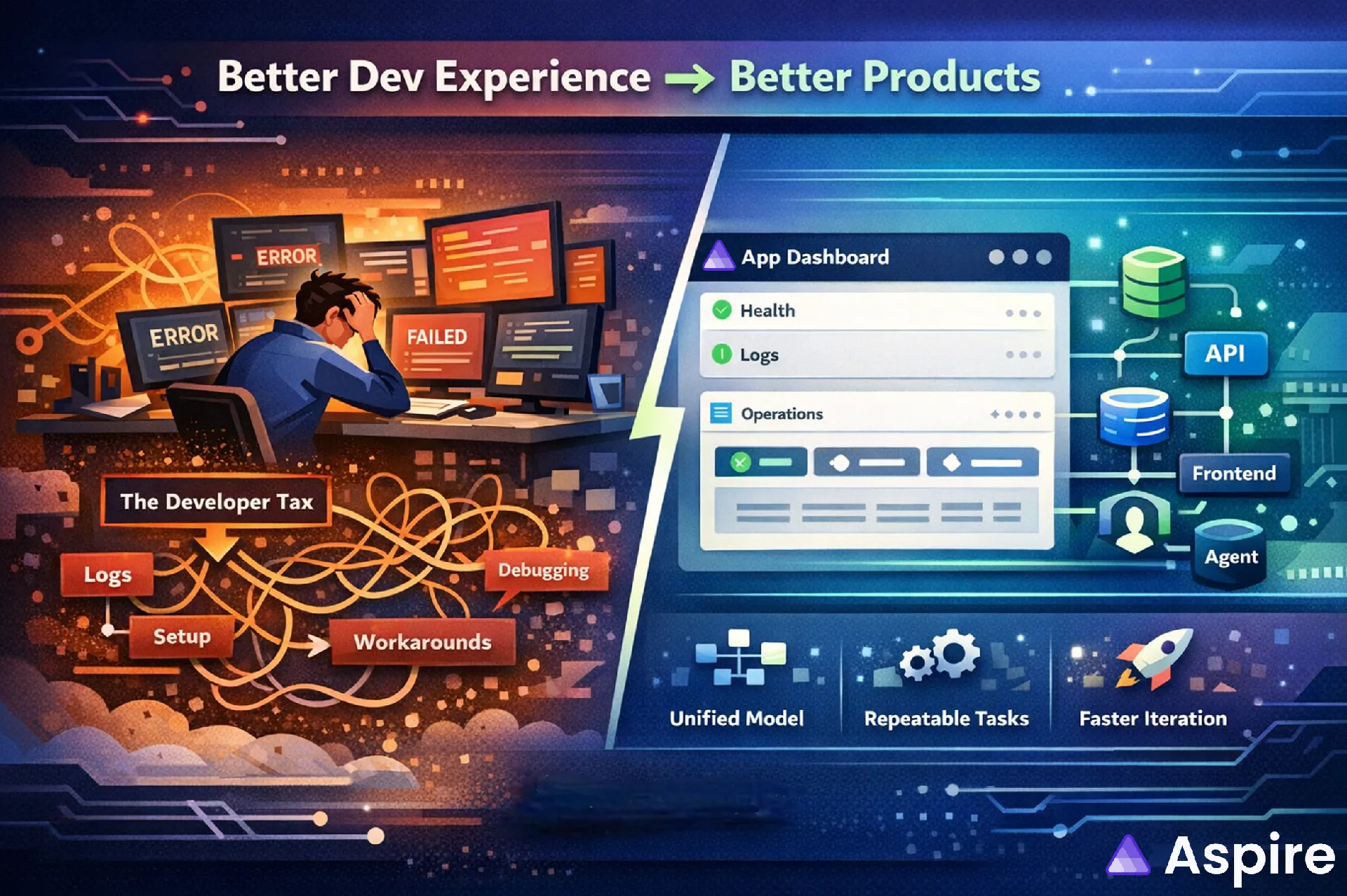
Your dev loop is full of tribal knowledge

Aspire turns a team's scattered tribal knowledge into an explicit, incrementally-adoptable app model that humans, scripts, and AI agents can all use.
Agentic-Agile: Why Agent Development Needs Agile (Not Just Prompts)

"A bad system will beat a good person [or agent] every time" ~Dr. William Edwards Deming (with apologies) I started vibe coding by writing prompts (often dictated into my phone), refining them with an agent in M365 Copilot, and creating handoff files to use with GitHub Copilot CLI. The results were predictably non-deterministic. Prompt-driven development is a typical starting pattern: a developer opens a chat session, writes a prompt, reviews the output, adjusts, re-prompts. Maybe they get something useful. Maybe they spend an afternoon debugging emergent behavior that nobody specified and nobody tested. Then...
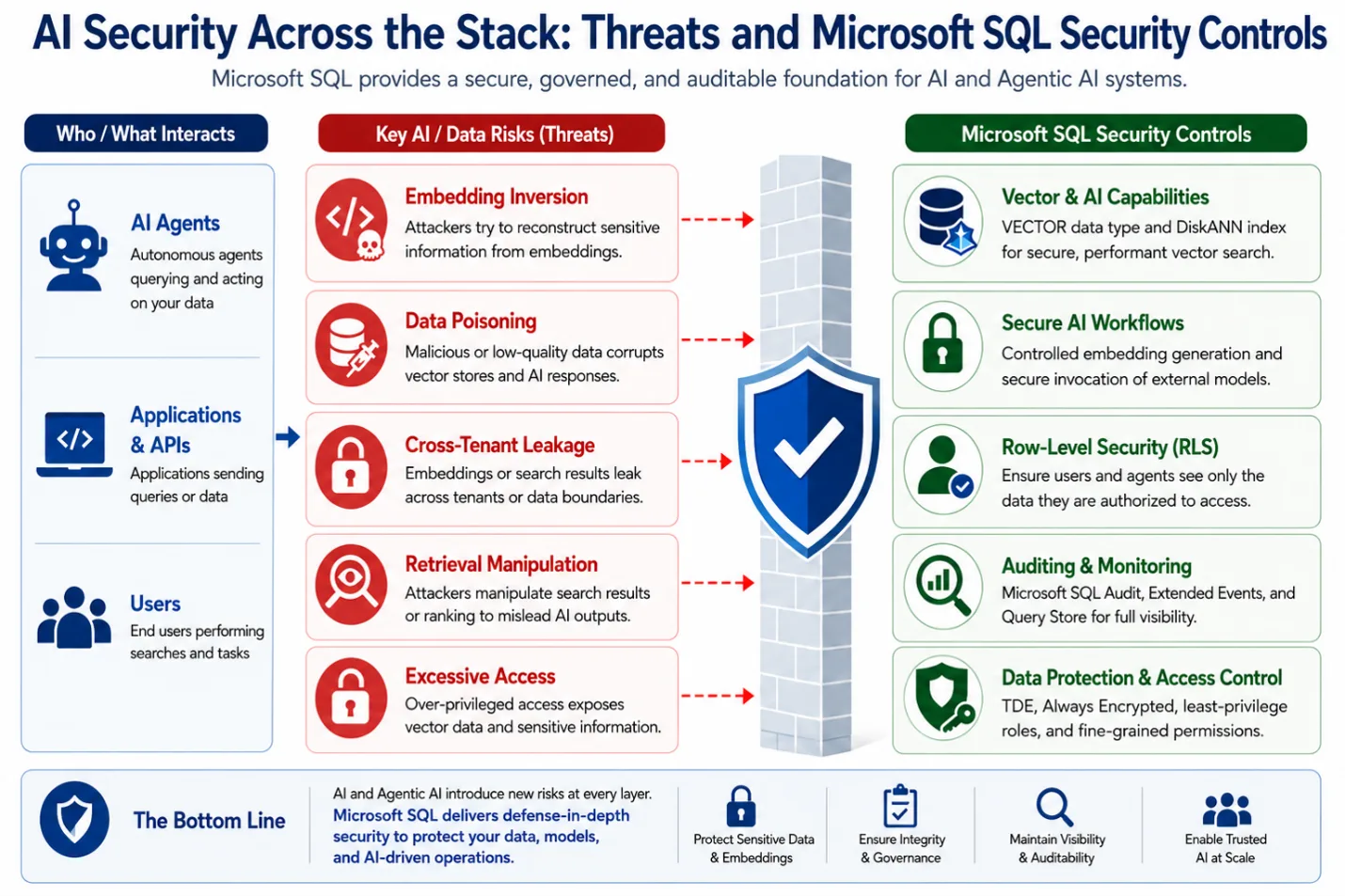
Microsoft SQL Security Across the MAESTRO Stack: Building Secure Agentic AI with Defense-in-Depth

Artificial Intelligence is evolving rapidly. What began as simple prompt-and-response systems is now transforming into fully autonomous, agentic AI architectures capable of reasoning, orchestrating tools, interacting with enterprise data, and invoking external systems dynamically. While these capabilities unlock enormous business potential, they also introduce an entirely new category of security challenges. Organizations are no longer asking only: “How do we build AI systems?” They are now asking: “How do we build AI systems securely, responsibly, and with governance built into every layer?” This ...
