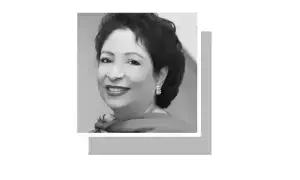
The mystery surrounding the killing of four girls and two men from Kohistan took another turn on Friday after rights activist Farzana Bari claimed that the girls, who were declared alive during the Supreme Court suo motu hearing, were dead.
Bari, who also heads the Gender Studies department at Quaid-i-Azam University, was included in the fact finding mission dispatched to Kohistan by the Supreme Court to inquire about the wellbeing of the girls, after allegations emerged that the four girls were murdered after their video of clapping during a marriage ceremony went viral.
The witness statement by Bari comes after the Supreme Court on September 27 sent a notice to the Khyber Pakhtunkhwa (KP) government and Kohistan DPO to again investigate the issue.
Know more: Kohistan girls case remains a mystery
In her earlier statements, Bari claimed, she had expressed serious doubts that the two girls produced before the commission were not the girls who had appeared in the said video. Bari noted that her views were contrary to the other members' views on the issue.
Bari said she had appended a dissenting note at that time, demanding involvement of Nadra officials in the case for positive identification of the girls to ensure that the girls produced before the commission were the same girls who appeared in the video.
The case was closed by the then chief justice as it was established the girls were alive.
"Photos of the girls taken during the commission session were given to a Reuters' journalist, Katharine Houreld, who got the matching done through a renowned independent British agency 'Digital Barriers'. It was found in the said report that the photos of the girls, who were made to appear before the commission, did not match the images of the girls appearing in the said video," Bari stated in her witness statement.
Bari also referred to the two press conferences of local leaders in which they had admitted that the girls had been killed.
Former MPA Maulana Dildar, who was nominated by the KP government to assist the commission, also testified in his press conference that the four girls were murdered and that the commission had been misguided, she said.
The rights activist alleged that the local administration including the police had formed some kind of unholy alliance with the elected representatives of the Awami National Party (ANP) to bury the whole issue.
She demanded reproduction of the girls in front of the Supreme Court and formation of an independent investigation team to inquire the issue and alleged negligence of the authorities.
The court had taken a suo motu notice on the issue in 2012 since reports came up that clerics had allegedly issued orders for the killing of four women and two men after a mobile phone video emerged of the six singing and dancing at a wedding in a remote village in Kohistan.