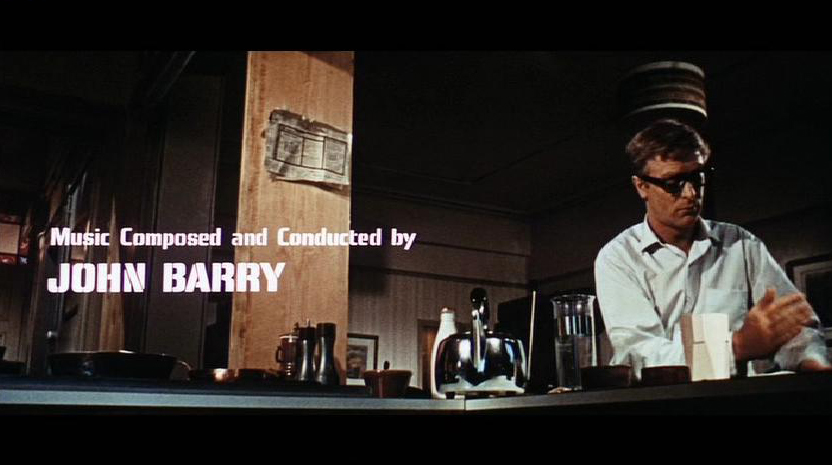
Amazing work from Bill Murdon


I discovered The Cloclsmiths site via site inspire for usual layout, and discovered a very nicely curated Mood section.


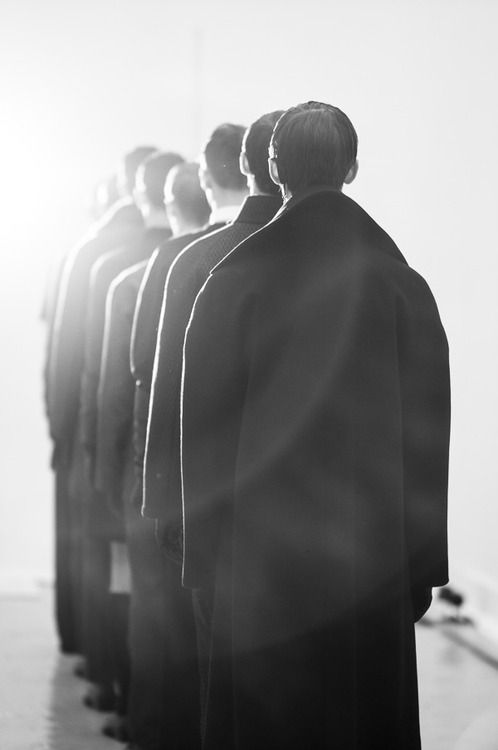


Fine purveyors of style (NSFW though)


FRANK-SINATRA-1955

ANNE-BANCROFT-1967

FRANK-SINATRA-AND-DEAN-MARTIN-1962

ANNE-BANCROFT-AND-DUSTIN-HOFFMAN-1967
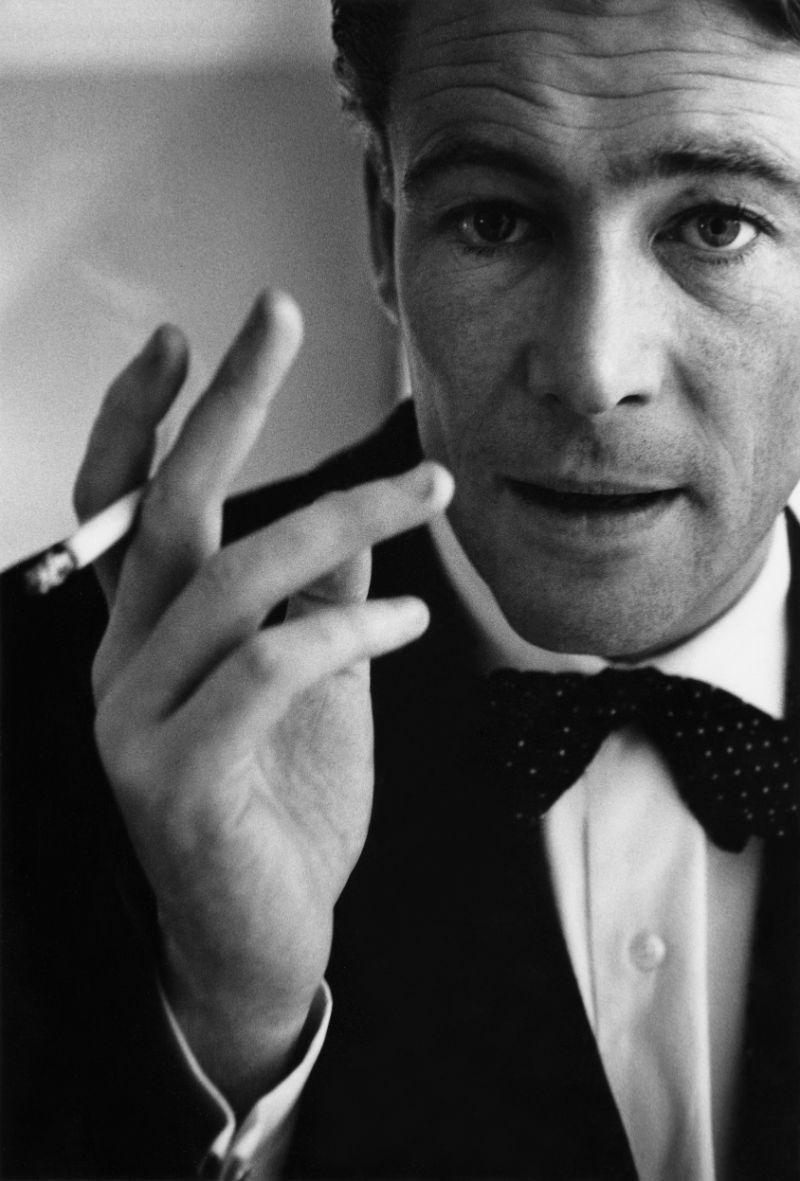
PETER-OTOOLE-1962

PETER-OTOOLE-1962

AUDREY-HEPBURN-1953

AUDREY-HEPBURN-1958

AUDREY-HEPBURN-1958

LEE-MARVIN-1956

BILLIE-HOLIDAY-1952

CHET-BAKER-1953

ELVIS-PRESLEY-AND-SOPHIA-LOREN-1958

FRANK-SINATRA-1959

JOHN-WAYNE-1971

RAT-PACK-1960

RICHARD-BURTON-1953

ROCK-HUDSON-1957

VINCENT-PRICE-1958

ALFRED-HITCHCOCK-1964

VINCENTE-MINNELI-1954

GERRY-MULLIGAN-1953
Bob Willoughby received his first break in 1954 when Warner Brothers asked him to photograph Judy Garland on the set of A Star Is Born, for Life Magazine. Willoughby’s career went from strength to strength from that point on and he quickly became one of the most sought after photographers of his time.
Willoughby was the first outside’ photographer employed by studios to document the making of films. His work forms a visual who’s who of cinema, rock and jazz music, theatre and dance over 20 years. He covered the making of over 100 films including The Graduate, Who’s Afraid of Virginia Woolf and My Fair Lady, and had a unique ability to capture the individual essence of each film he documented. His sitters include Audrey Hepburn, Frank Sinatra, Dustin Hoffman, Chet Baker, Elvis Presley and The Rat Pack.
Our exhibition will include iconic images of a multitude of stars from the 1950s and 60s, including Dustin Hoffman and Anne Bancroft on the set of The Graduate, Dean Martin and Frank Sinatra casually playing Blackjack at the Sands Hotel, Las Vegas, Audrey Hepburn between takes on the set of My Fair Lady, Chet Baker recording the music for My Funny Valentine and the great saxophonist Big Jay McNeely in concert.
Both a star behind the camera and technical innovator in front of it, Willoughby’s photographs were never out of print during his 20 year career in films. As a testament to this his photographs are currently held in permanent collections at the National Portrait Gallery in both London and Washington DC, as well as many other significant international photography institutions around the world.
See more at Beetles + Huxley






See more at his site
via PetaPixel
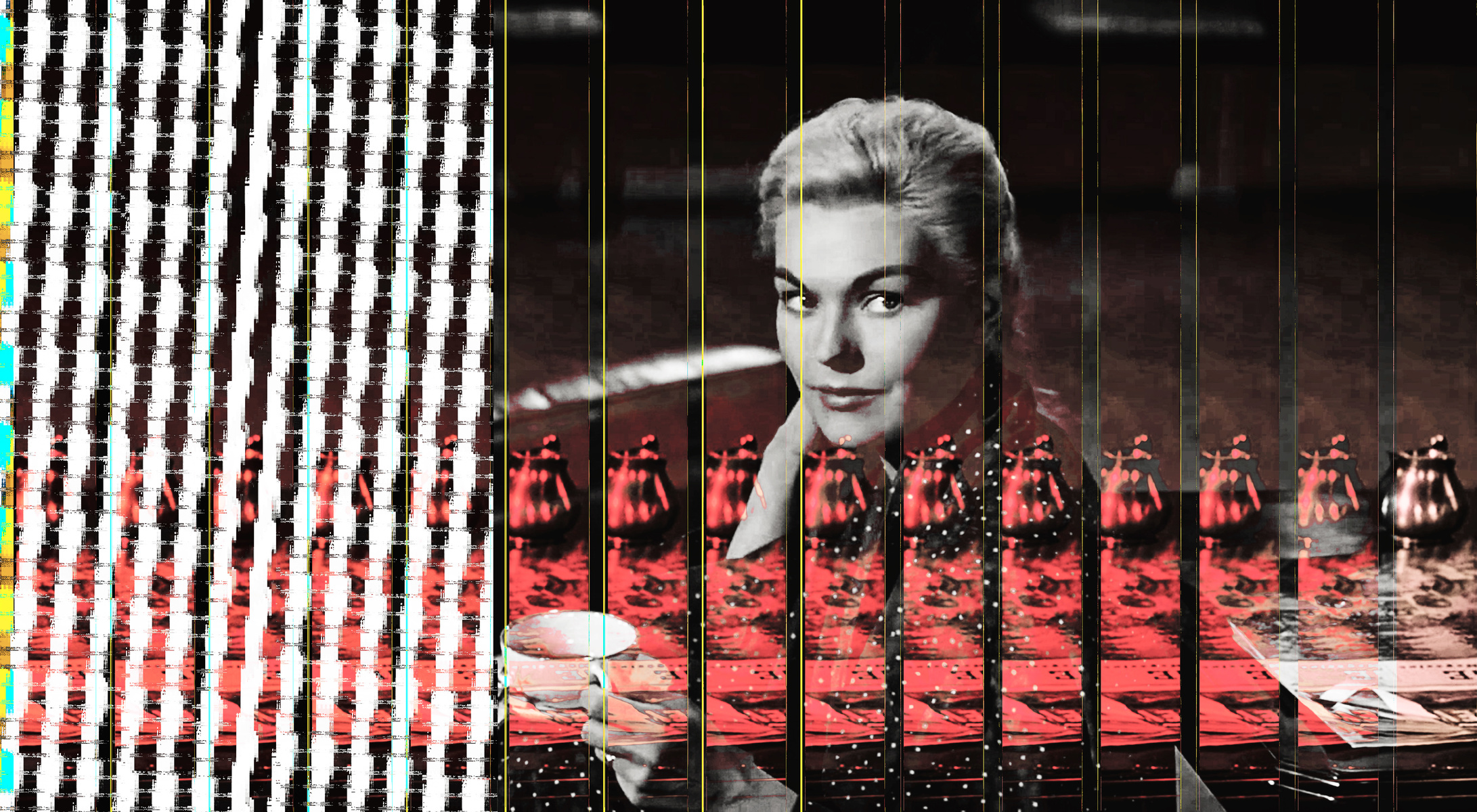
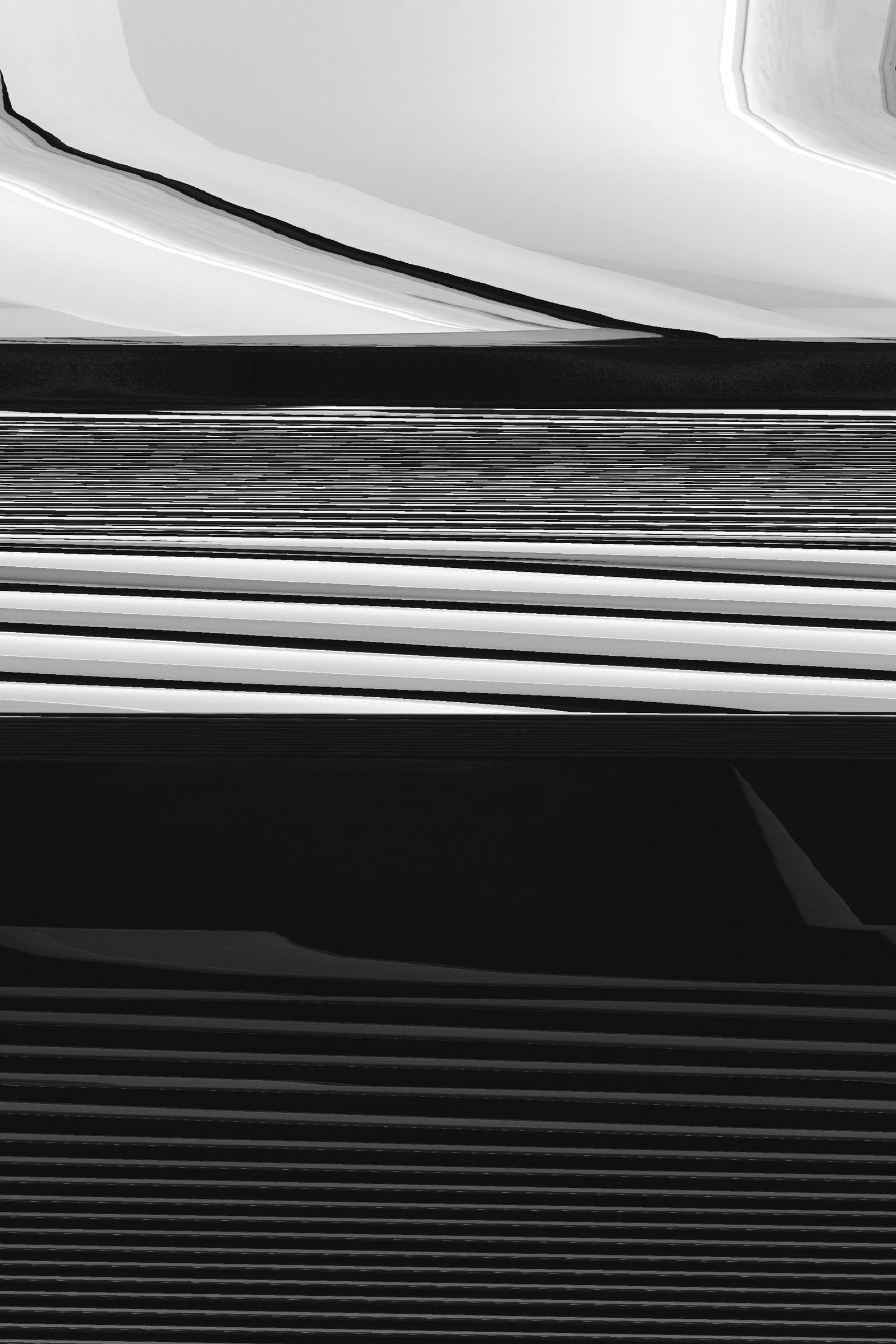
Visconti digitally alters the photographs he takes through a variety of techniques. At times he’ll directly edit the code that constructs the image. Other times he tosses it into an application such as Pixel-Drifter and lets it handle the brunt of the workload.


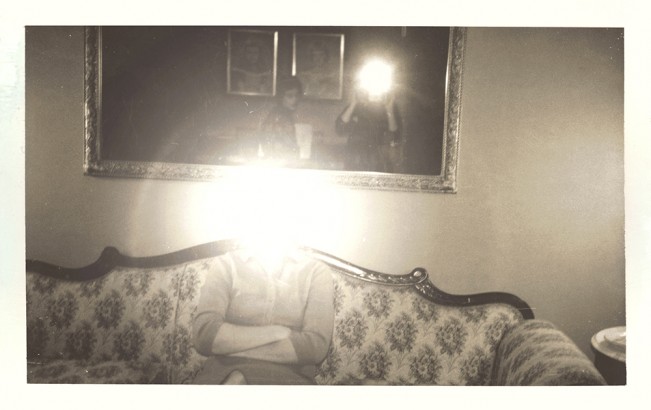


Artists statement: My work is about memory, the passage of time, mortality and the photograph’s role in shaping our experience of loss. Photography’s unique ability to capture a fleeting moment allows it to expose the temporality of life. “By giving me the absolute past of the pose… the photograph tells me death in the future… I shudder over a catastrophe which has already occurred.” These words from Roland Barthes’s Camera Lucida describe how I feel when I view a photograph so old that the subject must be dead. My response has a number of layers: I feel an immediate connection to the living person in the photograph, followed by a dread of what inevitably is to come for them, completed by a sense of grief over what has, of course, already transpired. This reaction is why the majority of my work utilizes found photographs, which I manipulate to create an abstract narrative exploring mortality. My work aims to question the nature of photographs and challenge the traditional definition of photography.
via Lenscratch
On 15 September 1964 the print shop Dreager Brothers put this press journal published by the association of French masculine elegance. Autumn Winter Collection 64.
Google images is odd.
Doing a search of a random image which could not be found
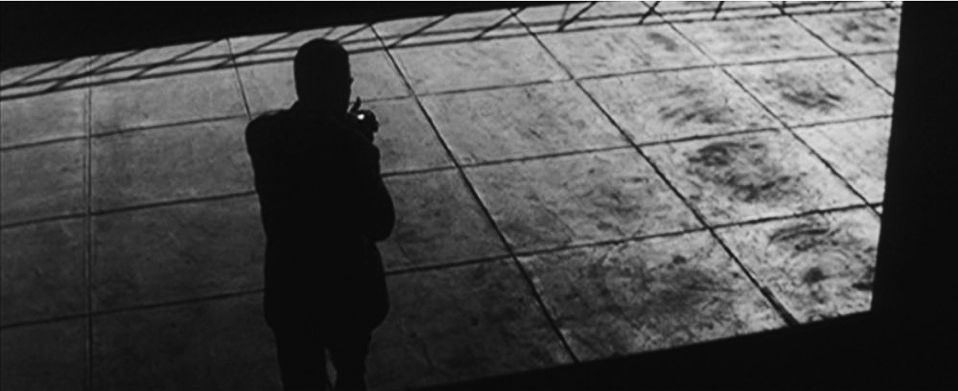
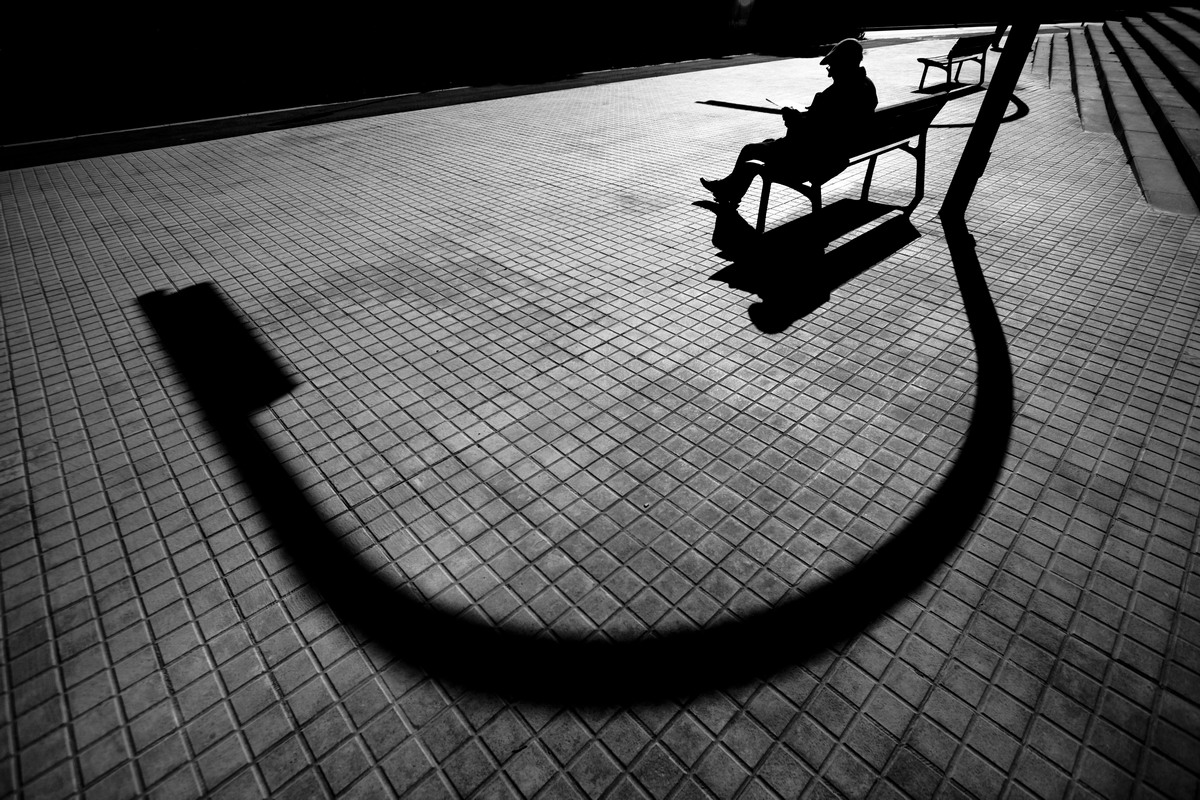
These we considered Visually similar images






“If it’s big and ugly, it’s not big enough”
via @joshuatopolsky