close
 
13 pages, 4850 KB  
Article
Ontogenetic Shifts in Mycorrhiza-Mediated Neighborhood Effects Among Multi-Stemmed Species in a Subtropical Forest
by Yunquan Wang, Qi Wu, Yidan Yang, Jianhui Ma, Shuisheng Yu, Xiangcheng Mi, Jianhua Chen and Mingjian Yu
Plants 2026, 15(12), 1784; https://doi.org/10.3390/plants15121784 (registering DOI) - 10 Jun 2026
Abstract
Although plant–mycorrhizal fungi associations play critical roles in maintaining species diversity within forest communities, the influence of tree ontogeny in mediating these effects on species diversity remains poorly understood. In this study, we integrated tree census data with information on the mycorrhizal types [...] Read more.
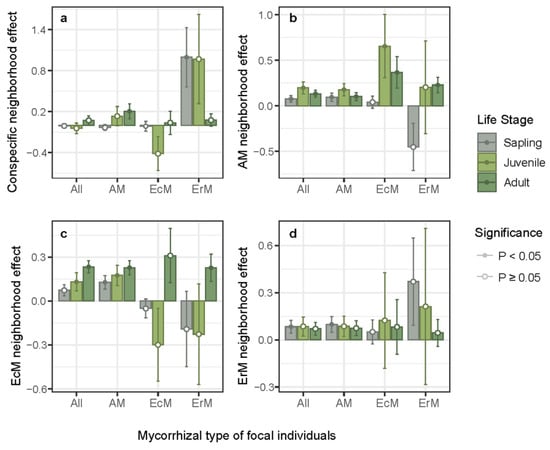
Although plant–mycorrhizal fungi associations play critical roles in maintaining species diversity within forest communities, the influence of tree ontogeny in mediating these effects on species diversity remains poorly understood. In this study, we integrated tree census data with information on the mycorrhizal types and sprouting ability of multi-stemmed species from a subtropical forest to assess how mycorrhiza-mediated neighborhood interactions affecting survival vary across ontogenetic stages (sapling, juvenile and adult stages) and how these effects correlate with sprouting ability. Our results revealed pervasive ontogenetic shifts in mycorrhiza-mediated neighborhood effects on tree survival for multi-stemmed species. AM heterospecific neighbors consistently exerted positive effects on tree survival across all life stages. In contrast, ErM heterospecific neighbors significantly influenced survival only at the sapling stage, whereas EcM heterospecific neighbors had significant effects during the juvenile and adult stages. When focal individuals were classified by mycorrhizal type, AM focal plants were significantly influenced by three types of mycorrhizal heterospecific neighbors, with the effect of AM heterospecific neighbors at the sapling stage being significantly greater than those of EcM or ErM heterospecific neighbors. Notably, AM heterospecific neighbors were critical predictors of survival for EcM focal plants during both the juvenile and adult stages, while AM and EcM heterospecific neighbors jointly the enhanced survival of ErM focal plants during the adult stage. Moreover, the effects of both AM and EcM heterospecific neighbors increased significantly with the sprouting ability of multi-stemmed species, particularly at the sapling stage. Our study highlights the importance of incorporating tree ontogeny and mycorrhizal symbiosis types into the assessment of factors contributing to species coexistence among long-lived organisms. Full article
(This article belongs to the Special Issue Conservation of Plant and Vegetation Diversity in Forest Ecosystems)
Show Figures
BERJAYA

Figure 1

16 pages, 625 KB  
Article
A Single-Centre Review of Outcomes of Delayed Admission to a Burns Unit
by Quentin Isaacs, Chrysis Sofianos, Adelin Muganza and Brian Brummer
Eur. Burn J. 2026, 7(2), 32; https://doi.org/10.3390/ebj7020032 (registering DOI) - 10 Jun 2026
Abstract
Background: Timely admission to a specialised burn unit is considered crucial for optimising outcomes in burn patients. However, the impact of delayed admission on hospital length of stay and clinical outcomes remains unclear, particularly in resource-constrained settings such as South Africa. This retrospective [...] Read more.
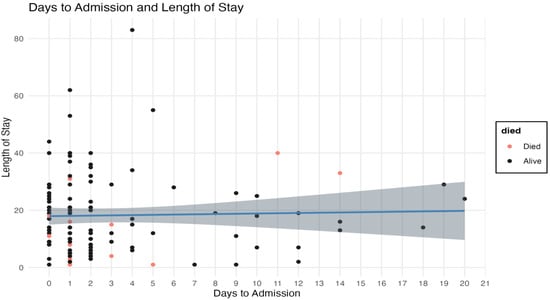
Background: Timely admission to a specialised burn unit is considered crucial for optimising outcomes in burn patients. However, the impact of delayed admission on hospital length of stay and clinical outcomes remains unclear, particularly in resource-constrained settings such as South Africa. This retrospective study aimed to determine whether admission to a burn unit more than 24 h after injury was associated with increased length of stay, sepsis, or mortality. Methods: A retrospective case-audit study was conducted at the Chris Hani Baragwanath Academic Hospital Adult Burn Unit, Johannesburg, from January 2018 to December 2022. Patients were categorised into early (≤24 h) and delayed (>24 h) admission groups. The primary outcome was length of stay; secondary outcomes included sepsis incidence and in-hospital mortality. Results: A total of 123 files were analysed; 71 (58%) were admitted within 24 h. The median length of stay was 14 days, with no statistical difference between the two groups (p = 0.7). The overall mortality rate was 13%, with 68% occurring in the early admission group. Sepsis occurred in 27% of patients. Multivariate analysis revealed that early admission was independently associated with longer length of stay. Conclusions: In this single-centre retrospective case note audit with a limited sample size and significant risk of selection bias, delayed admission to a burn unit was not associated with increased length of stay, mortality, or sepsis. However, these findings should be considered preliminary and require confirmation in larger, prospective studies. The higher rate of surgical intervention in the delayed admission group warrants further investigation. Full article
Show Figures
BERJAYA

Figure 1

14 pages, 1172 KB  
Article
Evaluation of Temporomandibular Joint Morphology According to the Occlusal Relationship Between Dental Arches Using Cone-Beam Computed Tomography
by Busra Nur Gokkurt Yilmaz, Zerrin Unal Erzurumlu, Peruze Celenk, Suleyman Kutalmış Buyuk and Yeliz Kasko Arici
Diagnostics 2026, 16(12), 1784; https://doi.org/10.3390/diagnostics16121784 (registering DOI) - 10 Jun 2026
Abstract
Background: This study aims to evaluate the temporomandibular joint (TMJ) morphology according to the occlusal relationship of the upper and lower dental arches shown on cone-beam computed tomography (CBCT) images. Methods: A total of 131 patients were evaluated using CBCT images [...] Read more.
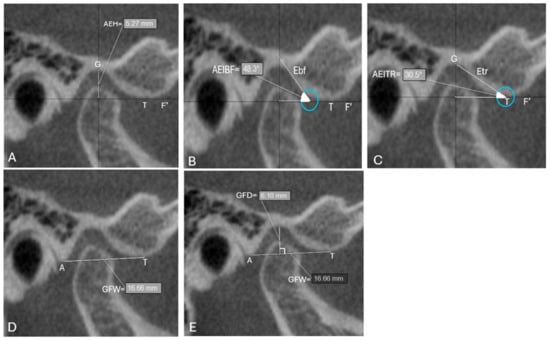
Background: This study aims to evaluate the temporomandibular joint (TMJ) morphology according to the occlusal relationship of the upper and lower dental arches shown on cone-beam computed tomography (CBCT) images. Methods: A total of 131 patients were evaluated using CBCT images and categorized as Angle Class I (Cl I), Class II (Cl II), or Class III (Cl III), based on the occlusal relationship of the dental arches. Measurements included the height and inclination of the articular eminence and the width and depth of the glenoid fossa for the right and left sides, as well as the angle between the long axis of both condyles and the angle between the long axis of the condyle and the midsagittal plane. A significance level of 5% was considered for all statistical analysis. Results: The articular eminence inclination and glenoid fossa depth demonstrated significant gender-related differences, while significant side-related variations were observed for articular eminence inclination, glenoid fossa width, and depth (p < 0.05). The articular eminence height was significantly higher in the Cl II (6.93 ± 1.07 mm) than in the Cl I (6.27 ± 1.22 mm) (p < 0.05) groups. The articular eminence inclination (best-fit line/top-roof line methods) also differed significantly among groups (p ≤ 0.001), with the highest values in the Cl II (51.74 ± 5.77°/38.27 ± 5.17°), followed by the Cl I (48.54 ± 5.94°/35.83 ± 4.43°) and Cl III (47.30 ± 7.36°/34.07 ± 5.24°) groups. No statistically significant differences were found among the study groups for glenoid fossa depth or width (p > 0.05). Conclusions: These findings suggest that TMJ morphology varies, depending on the occlusal relationship of the dental arches, gender, and side. These variations should be considered in both physiological and pathological evaluations of TMJ anatomy. Full article
(This article belongs to the Section Medical Imaging and Theranostics)
Show Figures
BERJAYA

Figure 1

3 pages, 149 KB  
Editorial
Oxidative Stress in Cardiovascular Diseases
by Ernesto Martínez-Martínez and Roberto Palacios-Ramírez
Antioxidants 2026, 15(6), 735; https://doi.org/10.3390/antiox15060735 (registering DOI) - 10 Jun 2026
Abstract
Cardiovascular diseases remain one of the leading causes of mortality worldwide, representing a major challenge for both healthcare systems and biomedical research [...] Full article
(This article belongs to the Special Issue Oxidative Stress in Cardiovascular Diseases (CVDs))
26 pages, 30463 KB  
Article
Molecular Mechanisms of 6PPD and 6PPD-Q Toxicity in Neurodegenerative Diseases: A Network Toxicology and Experimental Validation Study
by Ze Li, Yuyang Luo, Siyi Wang, Dingming Xue and Yixuan Zhang
Toxics 2026, 14(6), 504; https://doi.org/10.3390/toxics14060504 (registering DOI) - 10 Jun 2026
Abstract
6PPD is a widely used tire antioxidant that readily transforms into its more toxic ozonation product, 6PPD-quinone (6PPD-Q). Both compounds are emerging environmental contaminants with potential neurotoxic risks, yet their molecular mechanisms in Alzheimer’s disease (AD) and Parkinson’s disease (PD) remain unclear. This [...] Read more.
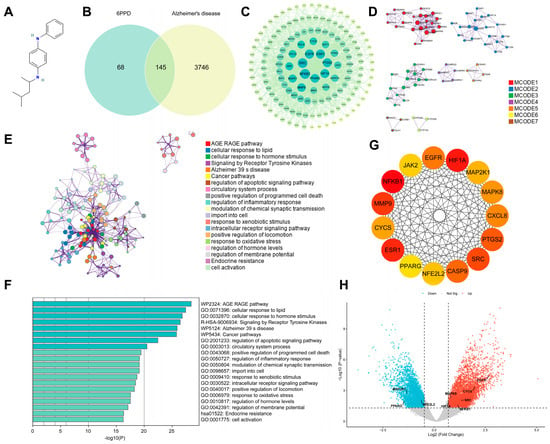
6PPD is a widely used tire antioxidant that readily transforms into its more toxic ozonation product, 6PPD-quinone (6PPD-Q). Both compounds are emerging environmental contaminants with potential neurotoxic risks, yet their molecular mechanisms in Alzheimer’s disease (AD) and Parkinson’s disease (PD) remain unclear. This study integrated network toxicology, molecular docking, transcriptomic validation, and experimental models to investigate their neurotoxic effects. In silico analyses predicted significant neurotoxicity and blood–brain barrier permeability for both compounds. Target prediction and PPI network analysis identified 145/121 overlapping targets with AD/PD for 6PPD and 120/100 for 6PPD-Q. Functional enrichment analysis suggested that 6PPD-associated targets were mainly enriched in axon regeneration-, p75NTR-, and AGE-RAGE-related pathways, whereas 6PPD-Q-associated targets were enriched in MAPK cascade-, endosomal TLR signaling-, and amyloid-β formation-related pathways. Molecular docking suggested favorable binding affinities between these compounds and several core targets, including MAP2K1, EGFR, GSK3B, and CYCS. Transcriptomic validation in GEO datasets prioritized multiple hub genes. In vivo experiments showed activation of apoptosis-related signaling in the brain, while in vitro assays demonstrated ROS accumulation and neuroinflammatory activation (elevated TNF-α, IL-1β, IL-6, IFN-γ). CYCS and MAP2K1 emerged as key convergent nodes. Our findings reveal distinct yet synergistic neurotoxic mechanisms of 6PPD and 6PPD-Q in AD and PD, highlighting tire-derived pollutants as potential environmental risk factors for neurodegenerative diseases. Full article
Show Figures
BERJAYA

Figure 1

4 pages, 182 KB  
Editorial
Processing, Characterization and Applications of Ceramic Matrix Composites
by Rodrigo Moreno and Oscar Rubem Klegues Montedo
Materials 2026, 19(12), 2480; https://doi.org/10.3390/ma19122480 (registering DOI) - 10 Jun 2026
Abstract
The increasing demand for new products and the development of new technologies have inspired a search for novel materials that are able to satisfy the increasing exigencies of higher resistance against aggressive environments, enhanced thermomechanical properties, finer and better controlled microstructures and improved [...] Read more.
The increasing demand for new products and the development of new technologies have inspired a search for novel materials that are able to satisfy the increasing exigencies of higher resistance against aggressive environments, enhanced thermomechanical properties, finer and better controlled microstructures and improved reliability and durability in service [...] Full article
4 pages, 198 KB  
Editorial
Editorial for the Special Issue “Diabetes, Hypertension, and Cardiovascular Diseases: New Insights, Risk Factors, and Drug Therapies”
by Panagiotis Theofilis, Emmanouil Mantzouranis, Christina Chrysohoou and Konstantinos Tsioufis
Medicina 2026, 62(6), 1128; https://doi.org/10.3390/medicina62061128 (registering DOI) - 10 Jun 2026
Abstract
Cardiovascular disease (CVD) remains the leading cause of morbidity and mortality worldwide [...] Full article
27 pages, 908 KB  
Article
Oil-Price Volatility and Renewable-Energy Transition in the Gulf Cooperation Council Countries: Does Financial Development Mitigate Energy Transition Risk?
by Noura Ben Mbarek
Energies 2026, 19(12), 2780; https://doi.org/10.3390/en19122780 (registering DOI) - 10 Jun 2026
Abstract
Oil-price volatility represents a major challenge for hydrocarbon-dependent economies pursuing renewable-energy transition. In GCC countries, fluctuations in global oil markets may influence renewable-energy deployment through their effects on fiscal revenues, investment conditions, and long-term energy planning. While previous studies have largely examined the [...] Read more.
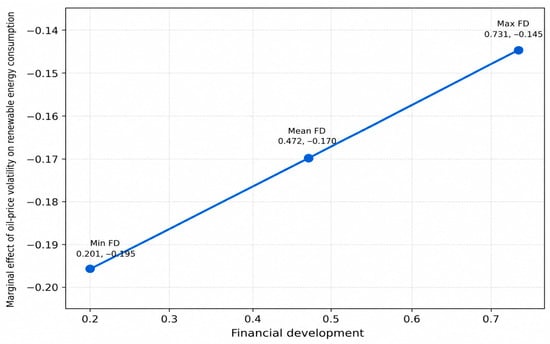
Oil-price volatility represents a major challenge for hydrocarbon-dependent economies pursuing renewable-energy transition. In GCC countries, fluctuations in global oil markets may influence renewable-energy deployment through their effects on fiscal revenues, investment conditions, and long-term energy planning. While previous studies have largely examined the direct effects of oil prices, renewable energy, and financial development separately, limited evidence exists on whether financial development can mitigate the adverse implications of oil-market uncertainty for renewable-energy transition in GCC economies. Using annual data for six GCC countries over the period 1990–2024, this study investigates the links among oil-price volatility, financial development, and renewable-energy transition within a second-generation panel econometric framework that accounts for cross-sectional dependence and heterogeneity. The analysis employs Pesaran cross-sectional dependence tests, CIPS unit-root tests, Westerlund cointegration, common correlated effects mean group (CCE-MG), augmented mean group (AMG), and error-correction modeling. The results support the existence of a stable long-run relationship among the variables. Oil-price volatility is negatively associated with renewable-energy consumption, with a long-run coefficient of approximately −0.21. Financial development exhibits a positive association with renewable-energy transition, while the interaction between oil-price volatility and financial development remains positive and statistically significant. This finding suggests that stronger financial systems may partially reduce the adverse effects of oil-market instability. The short-run estimates also support the presence of a stable adjustment process toward long-run equilibrium. Robustness checks based on alternative financial-development proxies, lagged regressors, Driscoll–Kraay estimations, leave-one-out country analysis, and alternative volatility measures confirm the stability of the main findings. The findings suggest that financial development may strengthen the resilience of renewable-energy transition strategies in GCC economies exposed to volatile energy-market conditions. Full article
Show Figures
BERJAYA

Figure 1

34 pages, 5849 KB  
Article
WaveDroughtNet: A Multi-Modal Wavelet-Enhanced Temporal Convolutional Network for Multi-Horizon Drought Forecasting and Onset Analysis
by K. Venkatachalam, Claudia Cherubini and Alphonse Anushya
Water 2026, 18(12), 1415; https://doi.org/10.3390/w18121415 (registering DOI) - 10 Jun 2026
Abstract
Drought is a slowly evolving, multi-driver hydro-meteorological hazard whose accurate early prediction is a cornerstone of climate-smart agriculture and water-resource planning. Existing data-driven drought forecasting frameworks suffer from three persistent limitations: (i) most models concatenate heterogeneous climate variables into a single flat feature [...] Read more.
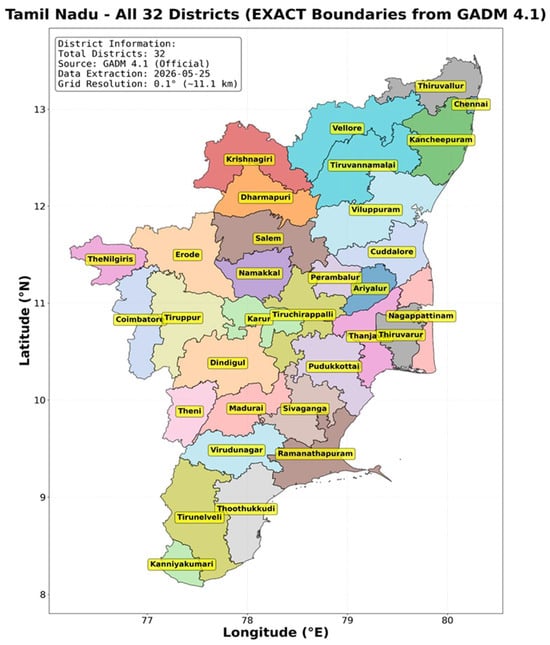
Drought is a slowly evolving, multi-driver hydro-meteorological hazard whose accurate early prediction is a cornerstone of climate-smart agriculture and water-resource planning. Existing data-driven drought forecasting frameworks suffer from three persistent limitations: (i) most models concatenate heterogeneous climate variables into a single flat feature vector, implicitly assuming a single dominant driver such as precipitation, even though atmospheric moisture demand, radiation and wind-mediated evapotranspiration co-determine drought onset; (ii) wavelet preprocessing is typically applied to the full series, introducing future-information leakage that violates the operational causality requirement of forecasting; and (iii) most architectures predict a single horizon and provide no causal attribution explaining when, where and which climatic variables initiated the event. This study proposes WaveDroughtNet, a multi-modal, multi-horizon deep-learning framework that addresses these limitations through five integrated components: (a) a strictly causal Daubechies-4 wavelet decomposition computed in a rolling fashion; (b) six modality-specific encoders with stochastic modality dropout (p = 0.15); (c) cross-modal multi-head attention with four heads; (d) a four-layer temporal convolutional network (TCN) backbone with dilation factors yielding a 240-step receptive field; and (e) a post hoc DroughtOriginTracer that combines temporal attention, modal-attribution and inter-district propagation scans. The Standardised Precipitation Evapotranspiration Index (SPEI), used as the supervisory target, is computed following the canonical Vicente-Serrano formulation. water balance D=PPET (Hargreaves PET) at a 4-week (≈1-month) timescale, fitted with a three-parameter log-logistic distribution via L-moments, validated by Kolmogorov–Smirnov goodness-of-fit testing (α=0.05) per district, and standardised through the inverse-normal cumulative distribution function. Trained on 18,304 weekly district records from NASA POWER reanalysis (2014–2025) covering all 32 districts of Tamil Nadu, India, WaveDroughtNet uses only 256,869 parameters and produces, in a single forward pass, four forecasts (1 week, 1 month, 3 months, 1 year). On the held-out 2024 test partition (N=1728), the model attains weighted F1=0.9221 and R2=0.8512 at the 1-week horizon, and weighted F1=0.8498 and R2=0.6812 at the 1-year horizon. Diebold–Mariano tests confirm that WaveDroughtNet significantly outperforms naive persistence, seasonal naive, LSTM, ConvLSTM and a vanilla Transformer at the 3-month and 1-year horizons (p < 0.001). The DroughtOriginTracer successfully back-projects 15 Coimbatore events to causal origins 29–41 weeks prior to onset. We explicitly acknowledge three limitations that constrain operational deployment in its current form—zero severe events in the 2024 test partition (F1severe = 0.000), static inter-district modelling, and absence of vegetation-index supervision—and propose concrete mitigation pathways in the Discussion. Full article
(This article belongs to the Special Issue Sea Level Rise Vulnerability and Coastal Management)
Show Figures
BERJAYA

Figure 1

9 pages, 591 KB  
Case Report
Renal Cell Carcinoma of Native Kidneys in Kidney Allograft Recipients: Are There Any Guidelines for Management?
by Letycja Róg, Michał Pyrża, Ewa Wojtaszek, Tomasz Głogowski, Aleksandra Kaszyńska, Zuhier Shebani, Leszek Kraj, Vadym Matsibora and Jolanta Małyszko
J. Clin. Med. 2026, 15(12), 4478; https://doi.org/10.3390/jcm15124478 (registering DOI) - 10 Jun 2026
Abstract
Background: Renal cell carcinoma (RCC) accounts for nearly 90% of kidney cancers. Transplantation is the best treatment for kidney failure, associated with improved survival, quality of life, and lower societal costs compared with remaining on dialysis. Thanks to modern immunosuppression, rejection rates [...] Read more.
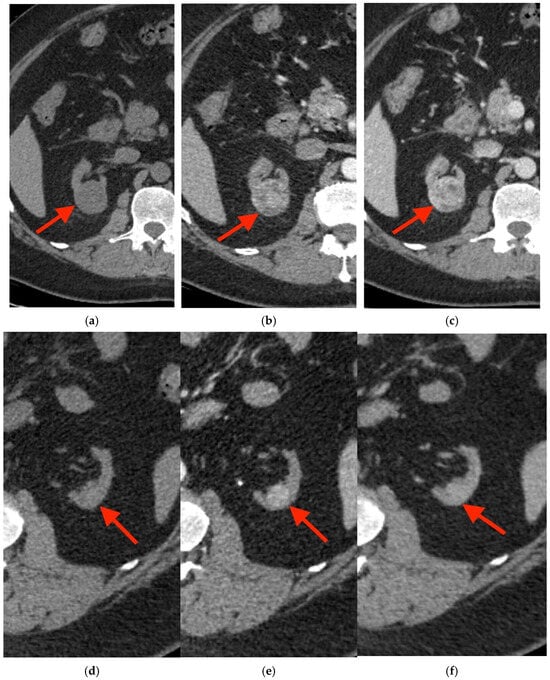
Background: Renal cell carcinoma (RCC) accounts for nearly 90% of kidney cancers. Transplantation is the best treatment for kidney failure, associated with improved survival, quality of life, and lower societal costs compared with remaining on dialysis. Thanks to modern immunosuppression, rejection rates have decreased. Cancer is the second most common cause of morbidity and mortality in kidney transplant recipients (KTRs) after cardiovascular disease. KTRs are at increased cancer risk due to chronic immunosuppression. Case report: We report a 54-year-old kidney transplant recipient without prior history of malignancy who developed metachronous bilateral RCC early posttransplant (first RCC within 3 months after kidney transplantation and second RCC after one year later). Both tumours were treated with nephrectomy. Conclusions: Early diagnosis enabled appropriate oncologic management while preserving graft function. It should also be stressed that beside graft assessment, abdominal sonography should not be forgotten in kidney allograft recipients, in particular, in certain high-risk patients (i.e., elderly, male, with longer dialysis vintage, smokers, obese, with high burden of immunosuppression including pretransplant immunosuppressive therapy, induction at transplantation, etc.). Full article
Show Figures
BERJAYA

Figure 1

56 pages, 962 KB  
Article
Determinants of Open Innovation Adoption in Colombian SMEs: Evidence from a PLS-SEM Analysis
by Vladimir Alfonso Ballesteros-Ballesteros and Rodrigo Arturo Zárate-Torres
Adm. Sci. 2026, 16(6), 279; https://doi.org/10.3390/admsci16060279 (registering DOI) - 10 Jun 2026
Abstract
Open innovation has become a central framework for explaining how firms access, integrate, and exploit knowledge beyond organizational boundaries. However, the conditions shaping its adoption by small- and medium-sized enterprises remain insufficiently understood, particularly in Latin American contexts. This study examines the determinants [...] Read more.
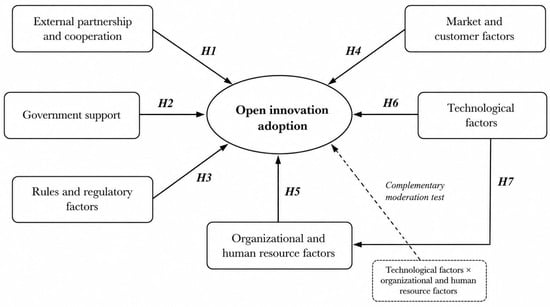
Open innovation has become a central framework for explaining how firms access, integrate, and exploit knowledge beyond organizational boundaries. However, the conditions shaping its adoption by small- and medium-sized enterprises remain insufficiently understood, particularly in Latin American contexts. This study examines the determinants of open innovation adoption in Colombian SMEs and develops an analytical model that integrates six explanatory dimensions: external partnership and cooperation, government support, rules and regulatory factors, market and customer factors, organizational and human resource factors, and technological factors. Empirically, the study combines an exploratory qualitative phase, based on semi-structured interviews with SME managers in Bogotá, D.C., with a quantitative phase using survey data from 319 SMEs operating in ISIC 6201 and 6202. The hypotheses were tested using partial least squares structural equation modeling. The results show that technological factors have the strongest direct association with open innovation adoption, followed by government support and external partnership and cooperation. Market and customer factors, as well as organizational and human resource factors, also exert positive and significant effects, whereas rules and regulatory factors do not show a significant direct effect. Additional analyses indicate that organizational and human resource factors partially mediate the relationship between technological factors and open innovation adoption, while a complementary moderation test does not support an interaction-based effect. These findings suggest that open innovation adoption in SMEs is technologically enabled, partially translated through organizational and human resource capabilities, and shaped by a configuration of relational, institutional, market-based, and internal conditions rather than by any single determinant. Full article
(This article belongs to the Section Strategic Management)
Show Figures
BERJAYA

Figure 1

19 pages, 306 KB  
Article
Dietary Encapsulated Olive-Derived Polyphenols: Productive Performance and Meat Quality in Podolian Young Bulls
by Dereje Birara Teshale, Siria Tavaniello, Marisa Palazzo, Meng Peng, Giulia Grassi, Innocenzo Muzzalupo and Giuseppe Maiorano
Animals 2026, 16(12), 1791; https://doi.org/10.3390/ani16121791 (registering DOI) - 10 Jun 2026
Abstract
This study evaluated the effects of dietary supplementation with nano- and micro-encapsulated polyphenol extract (PE) from olive leaves (OL) and olive mill wastewater (OMWW), respectively, on growth, carcass and meat quality traits in Podolian young bulls. Fifteen 12-month-old bulls were assigned to three [...] Read more.
This study evaluated the effects of dietary supplementation with nano- and micro-encapsulated polyphenol extract (PE) from olive leaves (OL) and olive mill wastewater (OMWW), respectively, on growth, carcass and meat quality traits in Podolian young bulls. Fifteen 12-month-old bulls were assigned to three groups: C (control); T1 (40 g/day nano-encapsulated PE from OL); and T2 (400 g/day olive leaf pellets plus 30 g/day micro-encapsulated PE from OMWW) for 40 days. Final body weight and carcass yield were unaffected, although the average daily gain was higher in T2 (p < 0.05). Meat from T2 exhibited lower moisture and higher protein content (p < 0.01) compared with the other groups. T1 showed higher α-tocopherol levels (p < 0.05). Lipid oxidation was reduced in both treated groups (p < 0.01). Monounsaturated fatty acids tended to decrease in treated groups (p = 0.057), while saturated and polyunsaturated fatty acids (PUFA) were unaffected. However, T2 showed higher total n-3 PUFA (p < 0.05), and a more favourable n-6/n-3 ratio (p < 0.01) was found in treated groups. These results highlight the potential of olive–derived polyphenols as functional feed ingredients to enhance meat quality and promote sustainable, circular livestock systems. Full article
(This article belongs to the Section Animal Products)
20 pages, 5667 KB  
Article
Reclaiming Mercury Tailings as Urban Parks: Evidence from Soil and Vegetation Responses
by Changwei Zhou, Dehong Xue, Zhongliang Peng and Yilei Chen
J. Parks 2026, 1(2), 9; https://doi.org/10.3390/jop1020009 (registering DOI) - 10 Jun 2026
Abstract
The switch in land use of abandoned tailings can precondition their reuse as newly built parks. This study investigated the feasibility of reusing a remediated mercury (Hg) retorting site in Wanshan, Guizhou Province, China, as a functional urban park by assessing residual heavy [...] Read more.
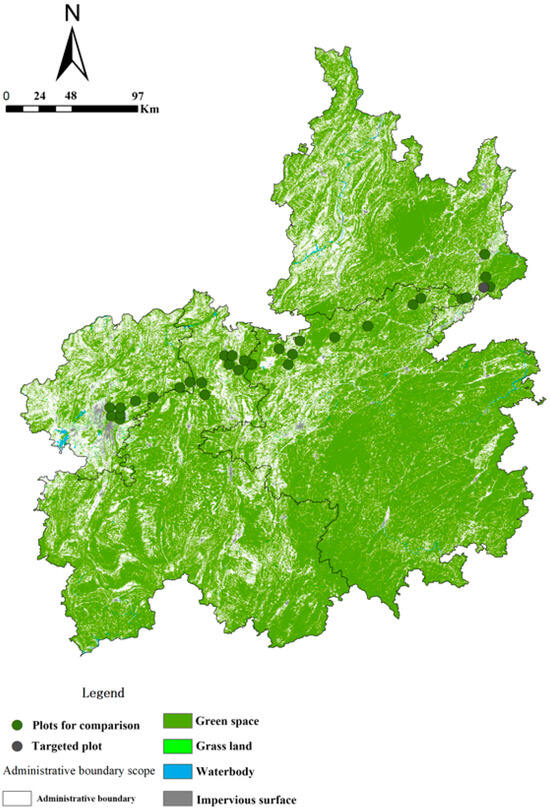
The switch in land use of abandoned tailings can precondition their reuse as newly built parks. This study investigated the feasibility of reusing a remediated mercury (Hg) retorting site in Wanshan, Guizhou Province, China, as a functional urban park by assessing residual heavy metal risks and associated vegetation responses. Field investigations were conducted across 31 park sites distributed along an east–west geographical gradient from the former mining area to urban parks, using replicated plots to sample the surface soils and dominant plant species. The concentrations of arsenic (As), cadmium (Cd), mercury (Hg), manganese (Mn), and lead (Pb) in soil and plant tissues were quantified using inductively coupled plasma–mass spectrometry, and vegetation structure and diversity were evaluated using standard community indices. The results showed significant spatial variability in soil and plant metal concentrations, with higher levels generally observed near historically impacted areas of the mine. However, all soil metal concentrations were below the national safety thresholds. Plant tissues exhibit controlled metal accumulation within normal or regulated ranges, reflecting the effective screening of tolerant and hyperaccumulating species. Increasing heavy metal concentrations were associated with reduced vegetation coverage, height, and diversity along the gradient. Overall, the findings indicate that the reclaimed Hg retorting site almost met ecological safety requirements, but more data on deep soils, groundwater, and long-term observations are needed to draw more conclusive conclusions. Full article
Show Figures
BERJAYA

Figure 1

16 pages, 1057 KB  
Article
A Hybrid Multi-Objective Lemurs Optimizer-Backtracking Search Algorithm for Engineering Optimization Problems
by Khadijetou Maaloum Din, Rabii El Maani, Ahmed Tchvagha Zeine and Rachid Ellaia
AppliedMath 2026, 6(6), 92; https://doi.org/10.3390/appliedmath6060092 (registering DOI) - 10 Jun 2026
Abstract
Multi-objective optimization plays a fundamental role in solving complex engineering design problems characterized by conflicting objectives and nonlinear constraints. In this study, a novel hybrid optimization algorithm, named Multi-objective Lemurs Optimizer-Backtracking Search Algorithm (MOLOBSA), is proposed to improve the exploration and exploitation capabilities [...] Read more.
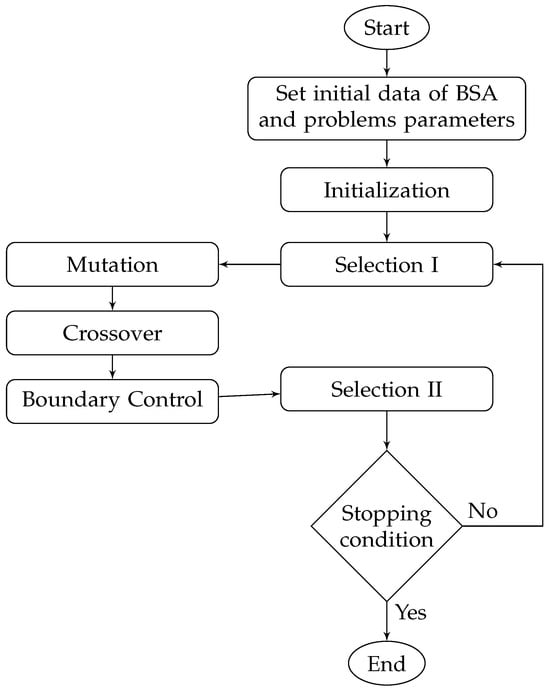
Multi-objective optimization plays a fundamental role in solving complex engineering design problems characterized by conflicting objectives and nonlinear constraints. In this study, a novel hybrid optimization algorithm, named Multi-objective Lemurs Optimizer-Backtracking Search Algorithm (MOLOBSA), is proposed to improve the exploration and exploitation capabilities of existing metaheuristic methods. The proposed approach integrates the global exploration ability of the Lemurs Optimizer (LO) with the efficient mutation and crossover mechanisms of the Backtracking Search Algorithm (BSA) within a multi-objective optimization framework. The effectiveness of the proposed algorithm is evaluated using the CEC2020 multimodal multi-objective benchmark suite, where its performance is assessed using the PSP and IGDX performance indicators. In addition, the proposed method was successfully applied to the multi-objective design optimization of an I-beam structure, where the objectives were to minimize the structural weight and the maximum displacement under mechanical constraints. The obtained Pareto solutions exhibit better diversity and improved trade-off characteristics compared with those produced by the baseline algorithm. Full article
(This article belongs to the Section Computational and Numerical Mathematics)
Show Figures
BERJAYA

Figure 1

18 pages, 1398 KB  
Article
Legal Origins, Central Bank Independence and Inflation Stability: Institutional Determinants of Sustainable Monetary Policy
by Viktor Koziuk and Jurij Klapkiv
Int. J. Financial Stud. 2026, 14(6), 160; https://doi.org/10.3390/ijfs14060160 (registering DOI) - 10 Jun 2026
Abstract
This paper examines whether legal origins influence the anti-inflationary effectiveness of central banks. While prior literature emphasizes the role of institutional frameworks in shaping financial systems, less attention has been paid to how legal traditions affect the relationship between central bank independence and [...] Read more.
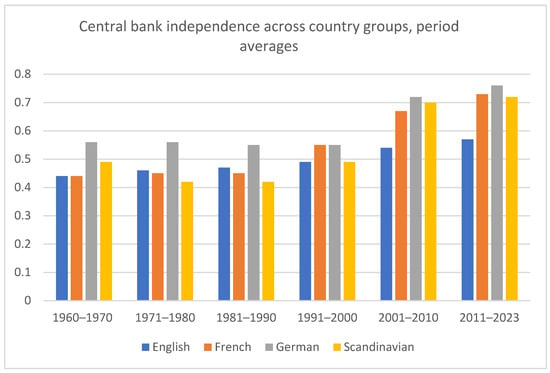
This paper examines whether legal origins influence the anti-inflationary effectiveness of central banks. While prior literature emphasizes the role of institutional frameworks in shaping financial systems, less attention has been paid to how legal traditions affect the relationship between central bank independence and inflation stability. Using a distance-to-frontier approach, we construct a gap measure between central bank independence and inflation performance. The results indicate that countries with a common law origin exhibit a significantly larger negative gap, suggesting higher anti-inflationary effectiveness despite lower formal central bank independence. In contrast, civil law countries tend to rely more heavily on formal institutional strengthening to achieve comparable inflation outcomes. Regression analysis confirms that the common law proxy remains statistically significant across most model specifications and demonstrates stronger explanatory power than traditional governance indicators such as the rule of law. Full article
Show Figures
BERJAYA

Figure 1

23 pages, 765 KB  
Article
Balancing Financial Stability and Credit Access: The Role of Capital Buffers and Bail-In Instruments in Indonesian Banking
by Titi Khoiriah, Rofikoh Rokhim and Buddi Wibowo
Int. J. Financial Stud. 2026, 14(6), 159; https://doi.org/10.3390/ijfs14060159 (registering DOI) - 10 Jun 2026
Abstract
The 2008 financial crisis pushed policymakers around the world to rethink how banks could manage risk, leading to the implementation of stricter regulations, including capital buffers and bail-in mechanisms, aimed at making the financial system more resilient. This study examines how three key [...] Read more.
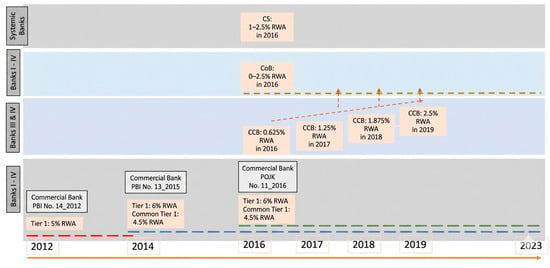
The 2008 financial crisis pushed policymakers around the world to rethink how banks could manage risk, leading to the implementation of stricter regulations, including capital buffers and bail-in mechanisms, aimed at making the financial system more resilient. This study examines how three key regulations under Basel III, namely, the Countercyclical Capital Buffer (CCyB), the Capital Conservation Buffer (CCB), and the Capital Surcharge (CS), shape lending patterns in Indonesian banks. The effectiveness of the bail-in policy in helping banks strengthen their capital base is also examined. This study uses difference-in-differences analysis on panel data from 97 banks between 2010 and 2024 to examine the impact of stricter capital regulations on banks’ ability to channel credit to the public and business sectors. Basel III aims to strengthen the resilience of banks; however, this policy could impact credit access and banking stability in Indonesia. This study found a positive impact on LDR of large banks after the treatment, which indicates the banks’ efforts to use the funds collected through credit distribution. This study empirically examines the impact of capital buffer regulation and the bail-in instrument in Indonesia as an emerging-market country with a segmented banking sector and banks’ classification by ownership and core capital value. Full article
Show Figures
BERJAYA

Figure 1

12 pages, 2450 KB  
Article
Cr/AlCrNbSiTiN/AlCrNbSiTiO Gradient Nano-Multilayer Coatings with Excellent Solar Absorption and Photothermal Conversion Properties
by Qingyu Wang, Sheng Liu, Shikun Liu, Yanxiong Xiang and Changwei Zou
Nanomaterials 2026, 16(12), 713; https://doi.org/10.3390/nano16120713 (registering DOI) - 10 Jun 2026
Abstract
High-entropy alloys exhibit a broad light-responsive spectrum, spanning the ultraviolet to visible range, and their light absorption coefficient is significantly higher than that of traditional binary oxides. Cr/AlCrNbSiTiN/AlCrNbSiTiO gradient nano-multilayer coatings with excellent solar selective absorption properties are prepared using ion source enhanced [...] Read more.
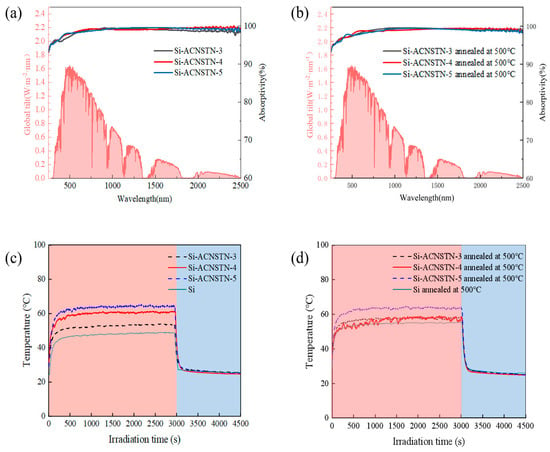
High-entropy alloys exhibit a broad light-responsive spectrum, spanning the ultraviolet to visible range, and their light absorption coefficient is significantly higher than that of traditional binary oxides. Cr/AlCrNbSiTiN/AlCrNbSiTiO gradient nano-multilayer coatings with excellent solar selective absorption properties are prepared using ion source enhanced magnetron sputtering. The effects of thickness of the absorption layer of AlCrNbSiTiN (3/4/5 min, denoted as S-3/4/5) are systematically investigated. It is worth noting that nano-multilayer coatings of S-3, S-4, and S-5 exhibit nearly perfect absorption rates of 0.9847, 0.9888, and 0.9879, respectively. The TEM images shows clear interfaces between the various coating layers, exhibiting a gradient structure that combines nanocrystalline and amorphous characteristics. From the substrate to the surface, there is an increase in the content of nanocrystalline phases, coarsening of grain sizes, and a decrease in the amount of amorphous phases. The primary absorption layer of AlCrNbSiTiN displays a typical face-centered cubic nitride structure. The XPS analysis reveals that the high-valent oxides (Nb5+, Cr6+) ensure thermal stability, whereas mixed valence states of Cr3+/Cr6+ may enhance visible light absorption through multi-electron transitions. This study analyzes how both the thickness of absorbing layers and high-temperature annealing affect the optical properties and photothermal conversion performance of AlCrNbSiTiN-based high-entropy coatings, which provides valuable insights for developing high-performance selective absorbers. Full article
Show Figures
BERJAYA

Figure 1

6931 KB  
Article
Islet Amyloid Polypeptide Analogues with Reduced Aggregation: Implications for Type 2 Diabetes
by Shahab Hassan, Sasha L. Evans, James H. Torpey, Tam Bui, Rivka L. Isaacson, Kenneth White and Cassandra Terry
Endocrines 2026, 7(2), 28; https://doi.org/10.3390/endocrines7020028 (registering DOI) - 9 Jun 2026
Abstract
Background: Type 2 diabetes is projected to affect millions of people annually as the number of cases rises year on year. This includes children. Treating diabetes and its related comorbidities has a huge economic impact and puts pressure on healthcare providers. Understanding the [...] Read more.
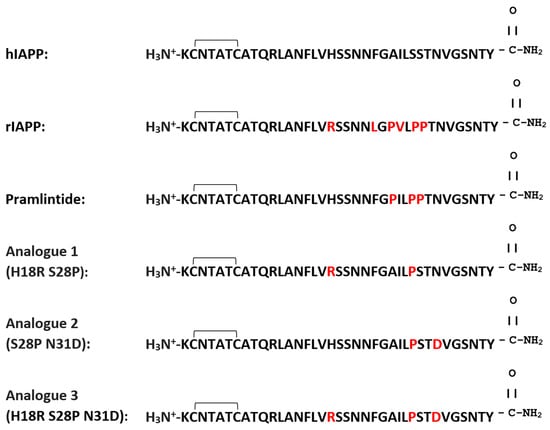
Background: Type 2 diabetes is projected to affect millions of people annually as the number of cases rises year on year. This includes children. Treating diabetes and its related comorbidities has a huge economic impact and puts pressure on healthcare providers. Understanding the disease at a molecular level is key for developing better therapeutics. The protein Islet Amyloid Polypeptide (IAPP) or amylin is important for glucose regulation; however, it is also instrumental in type 2 diabetes pathology. Human IAPP can misfold into oligomers and amyloid fibrillar aggregates within pancreatic islets, promoting β-cell dysfunction and death, contributing to progressive insulin deficiency and worsening hyperglycaemia. Methods: Based on previous studies on mutations at residues 18, 28 and 31,we have designed three novel IAPP analogues (two double and one triple mutant) to assess whether the combined amino acid substitutions impact fibril formation, solubility and toxicity. Results: All three of our analogues show a reduced propensity to aggregate and are more soluble than wild type IAPP. Compared with pramlintide, a clinically prescribed synthetic analogue of human amylin, all of our analogues appeared to have similarly reduced toxicity and improved solubility relative to human IAPP. Additionally, two of our analogues exhibited a markedly slower rate of fibril formation. Conclusions: Our results highlight the importance of targeting multiple residues as a promising strategy for developing improved diabetes therapeutics in the future. Full article
(This article belongs to the Section Obesity, Diabetes Mellitus and Metabolic Syndrome)
Show Figures
BERJAYA

Figure 1

33 pages, 1937 KB  
Review
Lynch Syndrome: An Update of Underlying Molecular Mechanisms, Phenotypes and Methods to Classify Variants of Uncertain Significance
by Pedro Rodrigues, Paulo Matos, João Gonçalves and Peter Jordan
Biomedicines 2026, 14(6), 1312; https://doi.org/10.3390/biomedicines14061312 (registering DOI) - 9 Jun 2026
Abstract
In 2022, colorectal cancer (CRC) was the third most common type of cancer worldwide and the second most common in Europe. CRC ranked as the second leading cause of cancer-related deaths both worldwide and in Europe, with 904,019 and 247,966 deaths, respectively. The [...] Read more.
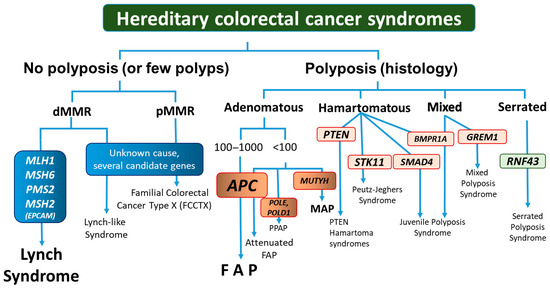
In 2022, colorectal cancer (CRC) was the third most common type of cancer worldwide and the second most common in Europe. CRC ranked as the second leading cause of cancer-related deaths both worldwide and in Europe, with 904,019 and 247,966 deaths, respectively. The majority of CRC cases are sporadic (60–75%); however, 10–35% of CRC are estimated to result from the interaction of heritable and environmental factors. Among these, 5–6% are caused by inherited variants in genes that predispose to the development of CRC. Among the known inherited causes, Lynch Syndrome (LS), formerly known as Hereditary Nonpolyposis Colorectal Cancer (HNPCC), is the most frequent and accounts for approximately 3% of all CRC. Here we review and update on multiple aspects of LS in the context of CRC, including its genetic and molecular basis, current guidelines for molecular screening and variant classification. Furthermore, we review functional assays that have been used to determine the biological impact of genetic variants of uncertain significance (VUS) and discuss future perspectives in the field. Full article
(This article belongs to the Special Issue Cancer Genetics: Bench-to-Bedside​ Advances)
Show Figures
BERJAYA

Figure 1

28 pages, 4989 KB  
Systematic Review
Dose–Response Relationships and Comparative Efficacy of Aldosterone Synthase Inhibitors in Resistant Hypertension: A Comprehensive Network Meta-Analysis and Meta-Regression
by Kareem A. Mohamed, Mohamed Nasser Elshabrawi, Hossam Albeyoumi Mohammed, Mohamed Khalil, Ahmed AlGhazawy, Youssof Eshac, Atef Akoum, Ibrahim Kamal, Yasar Sattar, Ashesh Das, Mohammed Rahouma and Akshay Kumar
J. Clin. Med. 2026, 15(12), 4477; https://doi.org/10.3390/jcm15124477 (registering DOI) - 9 Jun 2026
Abstract
Background: Resistant hypertension represents a significant clinical challenge, often driven by dysregulated aldosterone production. Aldosterone synthase inhibitors (ASIs) are a novel therapeutic class designed to directly suppress aldosterone biosynthesis. This study aimed to synthesize evidence regarding the comparative efficacy, optimal dosing, and dose–response [...] Read more.
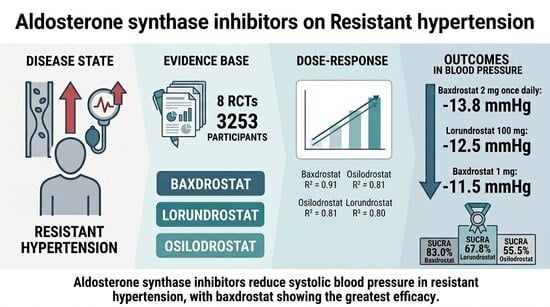
Background: Resistant hypertension represents a significant clinical challenge, often driven by dysregulated aldosterone production. Aldosterone synthase inhibitors (ASIs) are a novel therapeutic class designed to directly suppress aldosterone biosynthesis. This study aimed to synthesize evidence regarding the comparative efficacy, optimal dosing, and dose–response relationships of three ASIs—baxdrostat, lorundrostat, and osilodrostat—for the treatment of resistant hypertension. Methods: A systematic review and network meta-analysis (NMA) were conducted following PRISMA 2020 guidelines. We searched PubMed, Web of Science, and CENTRAL for randomized controlled trials (RCTs) published up to 31 October 2025. The primary outcome was the mean change in systolic blood pressure (SBP) compared to placebo. We utilized a frequentist random-effects model, characterized dose–response relationships via meta-regression, and ranked treatments using the Surface Under the Cumulative Ranking Curve (SUCRA). Results: The analysis included 8 RCTs comprising 3253 participants. Baxdrostat 2 mg once daily demonstrated the greatest antihypertensive efficacy with a mean SBP reduction of −13.8 mmHg (95% CI: −17.5 to −10.1) versus placebo, followed by Lorundrostat 100 mg (−12.5 mmHg) and Baxdrostat 1 mg (−11.5 mmHg). SUCRA analysis identified Baxdrostat as the highest-ranked treatment (83.0%), followed by Lorundrostat (67.8%) and Osilodrostat (55.5%). Dose–response meta-regression revealed strong linear correlations for Baxdrostat (R2 = 0.91), Osilodrostat (R2 = 0.81), and Lorundrostat (R2 = 0.80). Conclusions: ASIs, particularly Baxdrostat and Lorundrostat, offer robust blood pressure reductions in patients with resistant hypertension. The strong linear dose–response relationships suggest these agents have a favorable therapeutic window for titration. While effective, clinical implementation requires careful monitoring for adverse events. Full article
Show Figures
BERJAYA

Graphical abstract

28 pages, 1205 KB  
Review
Deep Eutectic Solvents as a Potential Alternative Extraction Technique for the Isolation of Phenolic Compounds from Economically Important European Tree Species
by Martin Štosel, Aleš Ház, Richard Nadányi and Veronika Jančíková
Processes 2026, 14(12), 1877; https://doi.org/10.3390/pr14121877 (registering DOI) - 9 Jun 2026
Abstract
The by-products of the wood-processing industry are still predominantly used for energy generation, despite being a rich source of high-value phenolic compounds. This review focuses on the valorization of bark from economically crucial European tree species. Based on an extensive literature survey, three [...] Read more.
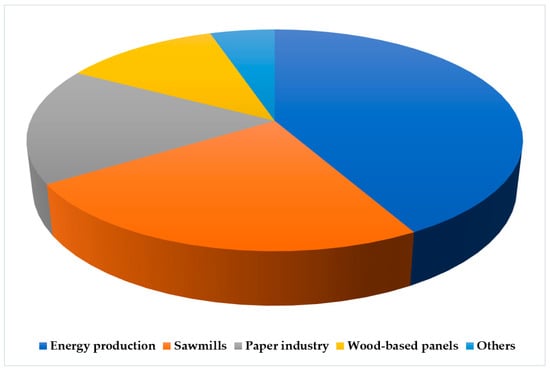
The by-products of the wood-processing industry are still predominantly used for energy generation, despite being a rich source of high-value phenolic compounds. This review focuses on the valorization of bark from economically crucial European tree species. Based on an extensive literature survey, three deciduous species (Fagus sylvatica, Quercus robur/petraea, Carpinus betulus) and three coniferous species (Pinus sylvestris, Picea abies, Abies alba) were selected on the basis of their distribution in the European Union, their industrial relevance, and the composition and bioactivity of their extractive phenolic fractions. Conventional and nonconventional extraction techniques are briefly compared, with particular emphasis on deep eutectic solvents (DESs) as emerging green media for the selective isolation of phenolics from bark and other lignocellulosic residues. DESs are typically renewable, nontoxic, biodegradable, and nonflammable, and their tunable composition allows them to be tailored to specific target compounds. The literature data demonstrate that DES-based extractions can provide phenolic-rich extracts with high antioxidant and antimicrobial activities and, in some cases, can outperform conventional solvents. Finally, the potential applications of bark-derived phenolic extracts in the pharmaceutical, agricultural, food, polymer processing, and cultural heritage sectors are outlined. The review also identifies knowledge gaps in DES selection, extract purification, and solvent recovery, highlighting future research needs for integrating DESs into sustainable wood-biomass biorefineries. Full article
Show Figures
BERJAYA

Figure 1

27 pages, 4197 KB  
Article
Remaining Useful Life Prediction of End Mills Using DCNN-McBiLSTM-LRSA with Multi-Source Sensory Signals
by Ganglong Duan, Haonan Sun, Sijia Zhong and Hongquan Xue
Appl. Sci. 2026, 16(12), 5831; https://doi.org/10.3390/app16125831 (registering DOI) - 9 Jun 2026
Abstract
In precision mold manufacturing, the machining of HRC52 hardened steel causes severe tool wear and high noise in multi-source sensor signals, making accurate remaining useful life (RUL) prognostics challenging. To address this, we propose a hybrid model based on a two-stage VB-to-RUL estimation [...] Read more.
In precision mold manufacturing, the machining of HRC52 hardened steel causes severe tool wear and high noise in multi-source sensor signals, making accurate remaining useful life (RUL) prognostics challenging. To address this, we propose a hybrid model based on a two-stage VB-to-RUL estimation strategy. The network first performs high-fidelity flank wear (VB) trajectory tracking; the RUL is then deduced via threshold mapping. The model integrates three components: a one-dimensional deep convolutional neural network (DCNN), a low-resolution self-attention (LRSA) module with 1D-to-2D spatiotemporal reconstruction, and a multi-channel bidirectional long short-term memory network (McBiLSTM). A Gaussian smoothing filter is first applied to denoise the 50 kHz signals, followed by physical-period sliding windows for feature extraction. A multi-strategy fusion pooling layer (mean, max, and last-quarter features) further improves prediction accuracy. Using the PHM 2010 milling cutter dataset under leave-one-out cross-validation, the proposed model achieves a mean absolute percentage error (MAPE) of 1.45% and a root mean square error (RMSE) of 2.76 μm, reducing prediction error by up to 75.6% compared to Transformer, LSTM, and GRU baselines. These results demonstrate that the model effectively extracts degradation features even during the accelerated wear stage, providing a potential solution for tool health monitoring and predictive maintenance under complex cutting conditions. Full article
20 pages, 1445 KB  
Article
The Impact of Spiritual Leadership on Nurses’ Spiritual Care Behavior: A Cross-Sectional Study of Chinese Nurses
by Yuqian Sun, Siyu Chen, Zhongliang Li, Qiqi Peng, Xuan Li, Yijia Zhao, Tingxi Zhou, Wenchi Zou and Xu Hong
Healthcare 2026, 14(12), 1634; https://doi.org/10.3390/healthcare14121634 (registering DOI) - 9 Jun 2026
Abstract
Background/Objectives: Spiritual care is core to holistic patient care, yet a persistent implementation gap exists in Chinese hospitals. This study examines the association between spiritual leadership and nurses’ spiritual care behavior, with career calling as mediator and empathy as moderator. Methods: [...] Read more.
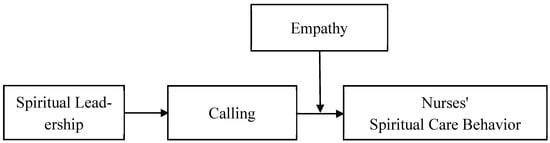
Background/Objectives: Spiritual care is core to holistic patient care, yet a persistent implementation gap exists in Chinese hospitals. This study examines the association between spiritual leadership and nurses’ spiritual care behavior, with career calling as mediator and empathy as moderator. Methods: A cross-sectional design was adopted. Data were collected from 323 frontline nurses in 10 public hospitals across five provinces in China from June to September 2025 using validated Likert scales. Analyses included confirmatory factor analysis, hierarchical regression, and a second-stage moderated mediation model with 5000 bootstrap resamples using SPSS 26.0 and Mplus 8.3. Results: Spiritual leadership was positively associated with both nurses’ spiritual care behavior and career calling. Career calling partially mediated the relationship between spiritual leadership and nurses’ spiritual care behavior. Furthermore, empathy significantly strengthened the positive association between career calling and spiritual care behavior, and amplified the indirect effect of spiritual leadership on nurses’ spiritual care behavior via career calling. Conclusions: Spiritual leadership, career calling, and empathy are key factors associated with nurses’ spiritual care delivery. Targeted interventions for these factors can bridge the spiritual care implementation gap and enhance holistic patient care. Full article
(This article belongs to the Special Issue Spirituality, Stress, and Well-Being of Healthcare Professionals)
Show Figures
BERJAYA

Figure 1

23 pages, 5443 KB  
Article
Boundary-Aware Multi-Scale Feature Enhancement Based Few-Shot Hyperspectral Image Semantic Segmentation
by Xiaorong Zhang, Siyuan Li and Xi Zheng
Remote Sens. 2026, 18(12), 1911; https://doi.org/10.3390/rs18121911 (registering DOI) - 9 Jun 2026
Abstract
To address the issues of model overfitting under scarce samples and poor segmentation performance on slender objects in the task of semantic segmentation of remote sensing hyperspectral images, this paper proposes a hyperspectral image semantic segmentation framework that integrates edge awareness and multi-scale [...] Read more.
To address the issues of model overfitting under scarce samples and poor segmentation performance on slender objects in the task of semantic segmentation of remote sensing hyperspectral images, this paper proposes a hyperspectral image semantic segmentation framework that integrates edge awareness and multi-scale feature enhancement under extremely few-shot conditions. This architecture effectively integrates orthogonal-direction convolutions, elongated feature enhancement, multi-scale feature fusion, and deep supervision mechanisms, solving challenges such as difficulty in extracting features of slender objects, model overfitting under few-sample conditions, and insufficient generalization ability. The experimental results on multiple public datasets show that the proposed algorithm achieves excellent segmentation performance with just one small-sized sample per labeled category, surpassing existing popular algorithms and thereby confirming the algorithm’s effectiveness and superiority. On the PaviaU dataset, the overall accuracy (OA) and mean intersection over union (mIoU) improved by approximately 9.7% and 15.5% compared to the second-best model; especially for the segmentation of the key elongated feature ‘road’, the intersection over union reached 94.75%, highlighting the effectiveness of the proposed mechanism. This paper provides a novel and efficient solution for fine interpretation of hyperspectral images under few-sample conditions. Full article
20 pages, 2434 KB  
Article
Evaluation of the Effects of Geometric Degradation of the Showerhead Nozzle Exit on Process Characteristics in Etching Equipment: A Multiphysics Analysis Approach
by Jaewook Yu, Sangmo Yang and Jae-Boong Choi
Appl. Sci. 2026, 16(12), 5830; https://doi.org/10.3390/app16125830 (registering DOI) - 9 Jun 2026
Abstract
Reactive Ion Etching (RIE) equipment widely employs showerhead-type structures to ensure plasma and etching uniformity; however, geometric degradation of the showerhead nozzle exit during prolonged operation may alter the internal chamber environment and thereby affect process performance. In this study, the effects of [...] Read more.
Reactive Ion Etching (RIE) equipment widely employs showerhead-type structures to ensure plasma and etching uniformity; however, geometric degradation of the showerhead nozzle exit during prolonged operation may alter the internal chamber environment and thereby affect process performance. In this study, the effects of showerhead nozzle exit geometric degradation on process characteristics were evaluated for a 300 mm wafer-scale RIE system using a multiphysics numerical approach. A total of 16 analysis cases were constructed according to nozzle position and nozzle exit diameter, and Computational Fluid Dynamics (CFD), electrostatic analysis, and particle tracing analysis were performed sequentially using COMSOL Multiphysics. The results showed that increasing the showerhead nozzle exit diameter decreased both the pressure and velocity at the nozzle exit, while increasing the electric potential near the nozzle exit. These changes led to different wafer-level distributions of neutral and charged species. Neutral species were mainly affected by drag-based transport under the flow field, whereas charged species were influenced by both the flow field and the electric potential distribution. Cases with below-range neutral-species distributions occurred more frequently than cases with above-range distributions, and below-range charged-species distributions were concentrated in cases with larger diameter combinations. These findings indicate that geometric degradation of the showerhead nozzle exit can influence wafer-level reactive-species distributions through coupled fluidic and electrical pathways and may contribute to process non-uniformity. Full article
40 pages, 10144 KB  
Article
Interpretable Forensic Multi-Domain Signal Framework for Speech Stress Analysis Using Residual and Modulation Dynamics
by Barlian Henryranu Prasetio and Edita Rosana Widasari
Signals 2026, 7(3), 56; https://doi.org/10.3390/signals7030056 (registering DOI) - 9 Jun 2026
Abstract
Speech-based stress analysis is relevant to forensic-oriented speech processing, security screening, and behavioral monitoring, yet its reliability is often limited by speaker variability, recording conditions, and acoustic mismatch. This study proposes an interpretable multi-domain signal processing framework that models stress-related speech variation through [...] Read more.
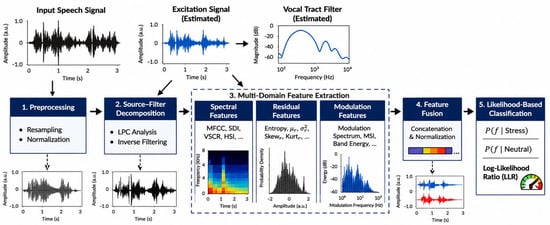
Speech-based stress analysis is relevant to forensic-oriented speech processing, security screening, and behavioral monitoring, yet its reliability is often limited by speaker variability, recording conditions, and acoustic mismatch. This study proposes an interpretable multi-domain signal processing framework that models stress-related speech variation through excitation dynamics, vocal tract characteristics, and temporal modulation patterns. The framework integrates source–filter decomposition, residual-domain analysis, harmonic structure analysis, modulation spectrum characterization, and prosodic variability into a unified representation. The SUSAS corpus is used as the primary dataset for supervised stress evaluation. RAVDESS and SAVEE are employed only as controlled arousal-related proxy datasets to examine the consistency of stress-related acoustic patterns, rather than as physiological stress ground truth. VoxCeleb is used exclusively for robustness and domain-variability analysis because it lacks stress labels. For probabilistic evidence assessment, Gaussian mixture models are adopted as the more interpretable density estimator, while normalizing flow is included as a flexible performance-oriented comparator for modeling non-Gaussian feature distributions. Evaluation incorporates likelihood ratio analysis, DET curves, EER, ablation studies, and robustness testing. The proposed framework achieves an EER of 5.8% in the primary supervised evaluation, showing competitive performance while preserving physically meaningful interpretation. Full article
Show Figures
BERJAYA

Figure 1

Open Access Journals

Browse by Indexing Browse by Subject Selected Journals
Back to TopTop